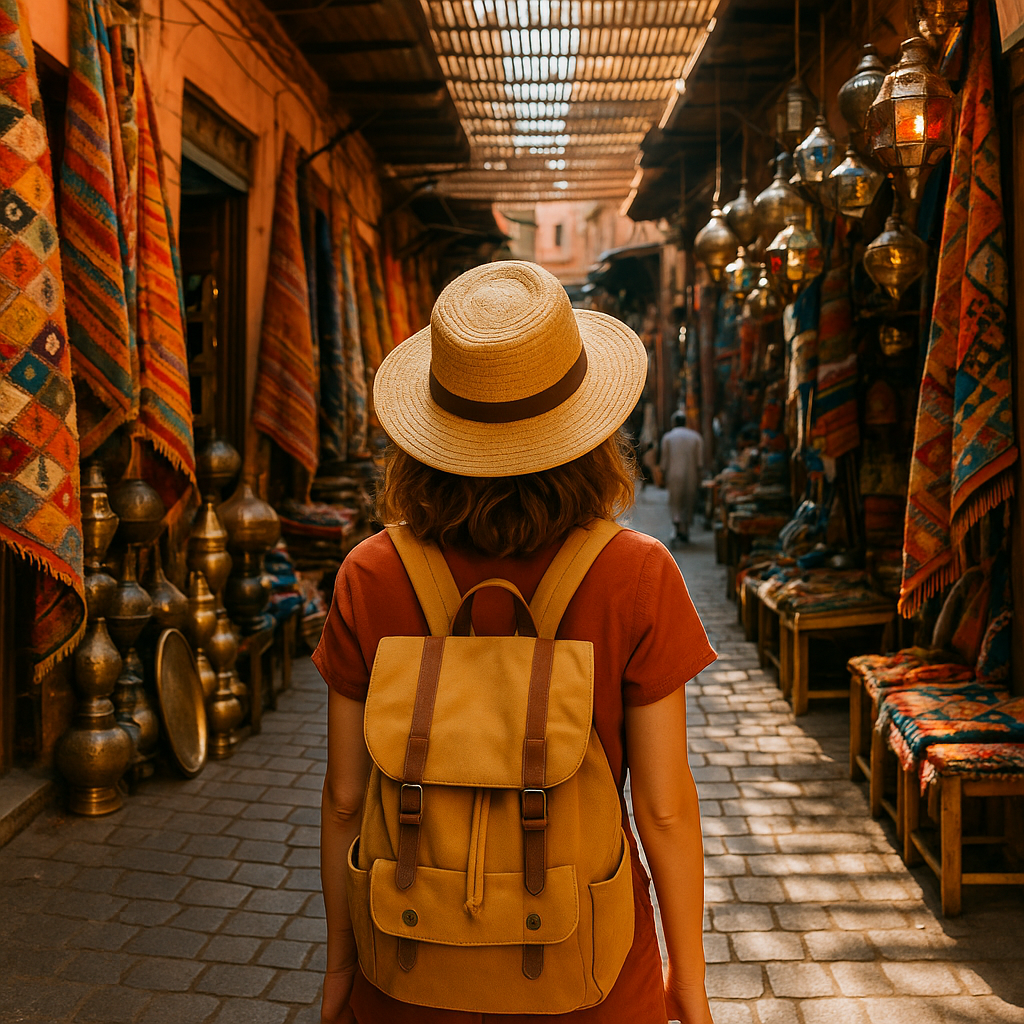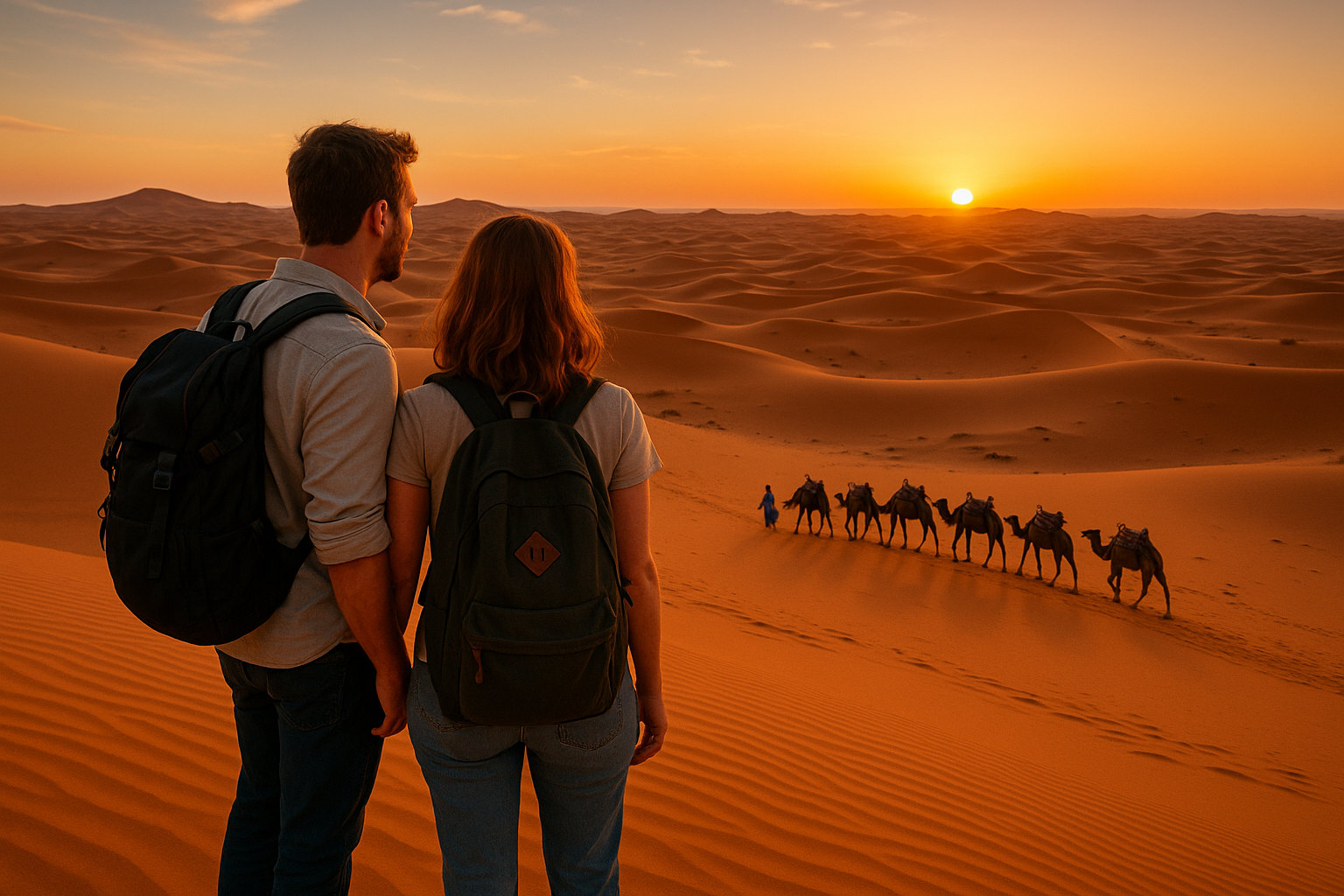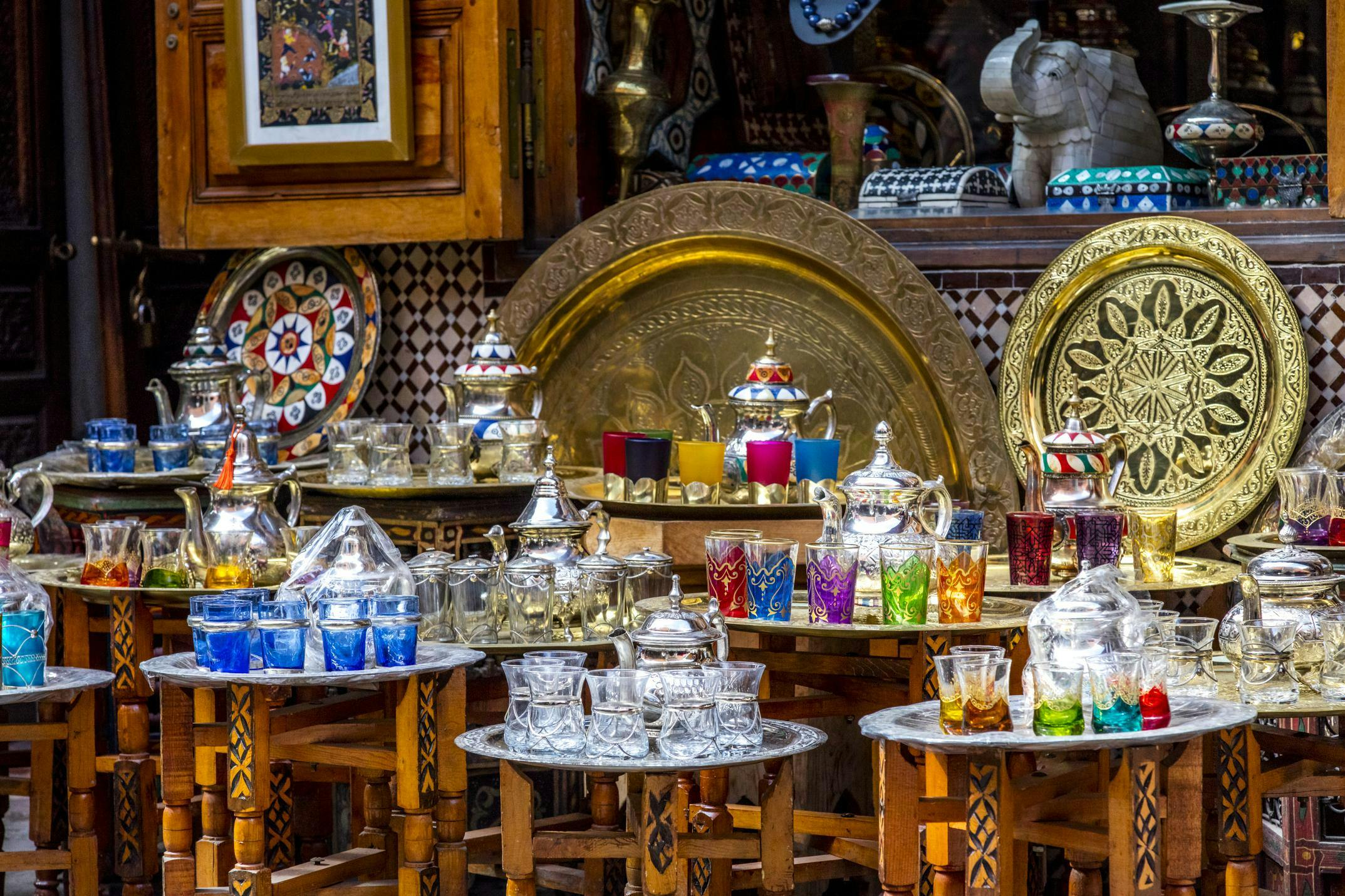
Are you dreaming of a trip to Morocco that’s comfortable, flexible, and personalized just for you? With Morocco private excursions, you can explore the beauty of this North African country your way—no stress, no crowds. Whether you’re traveling solo, with family, or as a couple, private tours in Morocco offer a unique and unforgettable experience. Why Choose Morocco Private Excursions? 1. Custom ItinerariesPrivate excursions are designed around your interests. Want to see the Sahara desert, the Atlas Mountains, or the blue streets of Chefchaouen? Your tour can include what matters most to you. 2. Expert Local GuidesWith a licensed guide like Rachid, you’ll get more than just sightseeing—you’ll hear real stories, discover hidden spots, and understand Morocco’s rich culture and history. 3. Comfort and LuxuryPrivate vehicles with air-conditioning, pickup from your hotel or riad, and flexible timing make your experience smooth and enjoyable. Top Private Excursions in Morocco Here are some popular private tours we recommend: 1. Marrakech Medina & Souks Private Tour Explore the old town, colorful souks, spice markets, and historic landmarks like Bahia Palace and the Koutoubia Mosque.👉 Book this experience 2. Day Trip to the Atlas Mountains & Berber Villages Visit Imlil Valley or Ourika Valley, enjoy lunch with a Berber family, and take a gentle hike with beautiful mountain views. 3. Essaouira Coastal Escape Enjoy a private day trip from Marrakech to the calm seaside city of Essaouira, known for its medina, seafood, and ocean breeze. 4. Sahara Desert Adventure Take a multi-day private excursion to Merzouga or Zagora. Ride camels, sleep in a luxury desert camp, and see the golden dunes at sunrise. 5. Casablanca & Rabat Private Excursion For those short on time, a private tour of Casablanca and Rabat includes Hassan II Mosque, Royal Palace, and the beautiful Oudayas Kasbah. Who Are Morocco Private Excursions For? Couples on a romantic getaway Families with children Older travelers needing comfort and assistance Photographers and travel lovers looking for authentic moments Anyone who values privacy and flexibility What’s Included in a Private Excursion? Private luxury vehicle with driver Multilingual licensed guide Hotel/riad pickup and drop-off Custom schedule Entrance fees (on request) Optional meals or activities Travel with Morocco Tours VIP At Morocco Tours VIP, we specialize in private escorted tours and excursions across Morocco. From Marrakech to the Sahara, from Casablanca to Chefchaouen, our goal is to offer safe, rich, and unforgettable travel experiences. 💬 Contact us today via WhatsApp: +212 666 326 430📧 Or email us: contact@moroccotoursvip.com Final Thoughts Morocco private excursions are the best way to travel at your own pace. Forget the rush. Enjoy the views. Let your guide handle everything while you relax and discover Morocco’s wonders. Start planning your private Moroccan adventure today!Read More
🕌 Marrakech to Casablanca Day Trip: What to See in Just One Day If you’re visiting Marrakech and want to explore another side of Morocco, a day trip to Casablanca is a perfect choice. Just a 2.5–3 hour drive away, Casablanca offers a mix of modern elegance, coastal charm, and rich cultural heritage. With the convenience of a private tour, you can make the most of your day without the stress of planning or navigating. 🚗 Comfortable Travel, Scenic Route The journey begins with a morning pickup from your riad or hotel in Marrakech. Your private driver will take you on a smooth and scenic ride through the Moroccan countryside. Along the way, enjoy changing landscapes — from palm groves to Atlantic coastlines. 🕌 Highlights of Casablanca You’ll Visit 1. Hassan II MosqueOne of the largest and most impressive mosques in the world, Hassan II Mosque sits majestically over the Atlantic Ocean. You’ll be able to admire its towering minaret, intricate zellige tilework, and dramatic seaside views. It’s also one of the few mosques in Morocco open to non-Muslims via guided tours. 2. La CornicheAfter visiting the mosque, take a relaxing walk along La Corniche, Casablanca’s beachfront promenade. With cafés, ocean views, and palm-lined walkways, it’s a great place to unwind or grab lunch with a sea breeze. 3. The Habous Quarter (New Medina)Unlike the traditional medinas of Marrakech and Fes, Casablanca’s Habous district is a colonial-era mix of French architecture and Moroccan souks. It’s quieter, more organized, and perfect for buying authentic Moroccan goods like spices, pottery, or traditional clothing. 4. Royal Palace (Outside View)Although you can’t enter the Royal Palace, its exterior and beautifully landscaped square offer great photo opportunities and a chance to learn about Morocco’s modern monarchy. 5. Mohammed V SquareThis bustling plaza surrounded by government buildings showcases French-influenced architecture and Casablanca’s more cosmopolitan side. It’s a nice contrast to the old city streets of Marrakech. 🍽️ Lunch Stop Recommendation For lunch, your guide may recommend one of Casablanca’s top spots, such as: Rick’s Café – Inspired by the movie Casablanca, it blends romantic ambiance with Moroccan-European cuisine. A seafood restaurant along La Corniche with views of the Atlantic. ⏰ Flexible Timing, Smooth Return After a full day of exploration, you’ll be driven comfortably back to Marrakech in the late afternoon or early evening — just in time to relax at your riad or enjoy a night out in the medina. ✅ Why Choose Our Marrakech to Casablanca Day Trip? 🛻 Private luxury transport 👨🏫 Knowledgeable English/French/Italian-speaking guides 🕰️ Flexible schedule and custom stops 🧭 Local insight for a truly enriching experience Whether you’re a history buff, culture lover, or simply want a taste of Morocco’s coastal charm, this day trip offers a refreshing and eye-opening adventure. 📌 Book Your Casablanca Day Trip Now Explore Casablanca in comfort and style. Visit moroccotoursvip.com or WhatsApp us at +212 666326430 to plan your private experience today!Read More
Discover the Soul of Marrakech Through Its Food Marrakech is more than just stunning palaces and colorful souks — it’s a city with a rich culinary heart. One of the best ways to truly experience Moroccan culture is through a Marrakech food tour, where you’ll taste authentic dishes, meet local chefs, and explore hidden gems only locals know. Whether you’re a foodie or just curious, this walking food tour is the perfect way to explore the old medina while enjoying some of the most delicious food Morocco has to offer. What to Expect on a Marrakech Food Tour Your journey usually begins in the bustling heart of the Medina — the old city surrounded by ancient red walls. Accompanied by a local guide, you’ll walk through narrow alleys, stopping at food stalls, tiny restaurants, and family-owned shops. Here’s a taste of what’s included: 🥘 Traditional Moroccan Tagine — Slow-cooked lamb or chicken with spices, olives, and preserved lemons. 🍞 Freshly Baked Khobz — Moroccan flatbread, often baked in communal ovens. 🫒 Tasting Local Olives and Pickles — A flavorful explosion! 🍵 Sweet Mint Tea — Known as “Moroccan whisky,” served with a smile. 🐌 Snail Soup (Babbouche) — For the more adventurous eaters! 🍢 Grilled Brochettes — Skewered meats cooked over charcoal in hidden corners. 🍮 Msemen & Chebakia — Moroccan pancakes and pastries with honey and sesame. Why Choose a Guided Marrakech Food Tour? Local guides not only take you to the best (and cleanest) food spots, but they also share the stories behind the dishes. You’ll learn about Moroccan spices, Berber cooking techniques, and the significance of communal meals. Plus, navigating the medina’s maze can be overwhelming — your guide helps you focus on what really matters: the food. Best Time to Join a Marrakech Food Tour Evening is the best time, especially around sunset when food vendors fire up their grills and the atmosphere becomes magical. However, daytime tours offer access to bakeries, souks, and rooftop cafes with great city views. Book Your Marrakech Food Tour Today Ready to eat your way through Marrakech? Our guided food tours are private, safe, and customizable. Whether you’re traveling solo, as a couple, or with a group, we ensure a flavorful adventure from start to finish. 👉 Book Now or check our Marrakech Tours for more experiences. Final Tip: Come Hungry! A Marrakech food tour isn’t just about food — it’s about connection, tradition, and the joy of discovering something new. Bring your appetite, an open mind, and a love for flavor. You’ll leave with a full belly and a deeper appreciation for Moroccan hospitality.Read More
Marrakech, the beating heart of Morocco, is where ancient tradition meets modern charm. From the winding alleyways of the Medina to the scent of spices in the souks, this city offers an unforgettable experience for first-time travelers. If you’re planning a visit, here are the top 7 things to do in Marrakech. 1. Wander Through the Souks of the Medina No trip to Marrakech is complete without getting lost in its famous souks. These vibrant marketplaces are filled with handmade carpets, lanterns, spices, leather goods, and ceramics. Whether you’re shopping or just soaking in the atmosphere, it’s a sensory adventure you won’t forget. Pro Tip: Join a guided shopping tour to find authentic items and avoid tourist traps. 2. Visit the Majorelle Garden An oasis of calm in the busy city, the Majorelle Garden is one of Marrakech’s most beloved attractions. Designed by French painter Jacques Majorelle and later owned by Yves Saint Laurent, this botanical garden features exotic plants, fountains, and bold cobalt blue architecture. 3. Explore the Bahia Palace Step into Moroccan royalty at the Bahia Palace, a stunning 19th-century complex filled with intricate tile work, beautiful courtyards, and grand reception halls. It’s a perfect place to learn about Morocco’s architectural and cultural history. 4. Marvel at the Koutoubia Mosque Visible from nearly every part of the city, the Koutoubia Mosque is Marrakech’s largest and most iconic mosque. While non-Muslims cannot enter, admiring its 77-meter minaret and surrounding gardens is a must. 5. Experience a Traditional Moroccan Hammam Relax and rejuvenate like a local with a visit to a traditional hammam. These Moroccan bathhouses offer deep cleansing and massages that are both refreshing and culturally immersive. 6. Dine on a Rooftop Overlooking Jemaa el-Fnaa As the sun sets, head to a rooftop café for dinner with a view. Jemaa el-Fnaa, the central square, comes alive at night with musicians, storytellers, food vendors, and snake charmers. 7. Take a Guided Tour with a Local Expert Make the most of your visit with a private guide who knows the city inside and out. Whether it’s a walking tour, food tasting, or historical experience, a local expert can tailor your journey to your interests. 👉 Explore our private guided tours in Marrakech Marrakech is a city of contrasts—lively yet peaceful, ancient yet modern. These 7 experiences are just the beginning of what you can discover here. Whether you’re here for a few days or a full Morocco tours, Marrakech will leave a lasting impression. Ready to explore Marrakech with a trusted guide?Book your tour with Morocco Tours VIP and experience Morocco through authentic eyes.Read More
Jewish Heritage in Morocco: Exploring Marrakech’s Rich Jewish Culture Morocco holds centuries of multicultural history, and one of its most treasured chapters is the story of Jewish life. For travelers interested in Jewish heritage, Marrakech offers a unique window into a community that has helped shape the country for over 2,000 years. A Glimpse into Jewish History in Morocco The Jewish presence in Morocco dates back to antiquity—some sources trace it to the Roman era or even earlier. Over centuries, Jewish communities thrived under various dynasties, especially during times of relative religious tolerance. Panoramic view of old Jewish cemetery in Mellah quarter, Marrakech, Morocco. In cities like Fes, Casablanca, Essaouira, and Marrakech, Jewish merchants, scholars, and artisans became integral to daily life. Though many emigrated after the creation of the State of Israel, Moroccan Jewish culture continues to live on through synagogues, cemeteries, preserved neighborhoods, and the memory of those who remain. The Jewish Quarter (Mellah) of Marrakech Marrakech’s Mellah, located near the bustling Bahia Palace and Place des Ferblantiers, was once home to one of the largest Jewish communities in Morocco. Founded in the 16th century, the Mellah functioned as a walled quarter where Jews lived, traded, and worshipped freely—though still under the protective gaze of the Sultan. Today, visitors can explore: The Lazama Synagogue – Still in use, this 15th-century synagogue is a spiritual and cultural gem with beautiful blue-and-white tilework and a courtyard garden. The Jewish Cemetery (Miâara) – A quiet, expansive site filled with whitewashed tombs, many dating back centuries. Traditional architecture – From intricately carved doors to rooftop terraces, the Mellah’s homes tell stories of the past. Moroccan Jewish Culture Today Even with a smaller population, Morocco’s Jewish traditions remain strong in memory and in diaspora communities worldwide. Moroccan Jewish cuisine, such as dafina (Sabbath stew), spiced fish, and almond cookies, continues to be passed down through generations. Jewish music, especially Andalusian and Berber-influenced melodies, lives on through festivals and recordings. And religious holidays like Passover, Hanukkah, and Mimouna (a post-Passover celebration with deep Moroccan roots) are celebrated with Moroccan flavor in Israel, France, Canada, and beyond. My Personal Jewish Heritage Tour in Marrakech As a licensed tour guide based in Marrakech, I offer a private Jewish heritage walking tour that brings these stories to life. What you’ll experience on the tour: A respectful and detailed visit to the Lazama Synagogue A guided walk through the Mellah, with personal stories and historical facts Entry into the Miâara Jewish cemetery, with explanations of burial customs Visits to traditional artisan shops run by descendants of Jewish and Muslim craftsmen Optional: Taste Moroccan Jewish sweets or learn about Mimouna traditions This tour is designed to be educational, emotional, and safe. Whether you’re exploring your family roots or simply intrigued by Morocco’s multicultural past, this is a unique way to connect deeply with Jewish Marrakech. Why This History Matters Jewish life in Morocco is a testament to resilience, coexistence, and cultural fusion. Preserving this heritage is important—not just for Jewish travelers, but for anyone who values human connection and shared history. Through tourism, we help keep these memories alive and support the protection of historic sites that might otherwise be forgotten. Ready to Discover Jewish Marrakech? Join me for an authentic, insightful Jewish heritage tour in Marrakech. Walk the ancient Mellah, hear powerful stories, and connect with a history that’s both Moroccan and Jewish. 📍 Book Your Jewish Heritage Tour Here📧 Email: contact@moroccotoursvip.com📱 WhatsApp: +212 666326430📸 Follow on InstagramRead More
What Is the Hamsa? The Hamsa, also known as the Hand of Fatima, is one of Morocco’s most iconic symbols. You can also find it across North Africa and the Middle East. It is shaped like an open hand, often with an eye in the center. Many people believe it protects against the evil eye. It is also seen as a symbol of blessings, power, and strength. The word “Hamsa” comes from the Arabic word khamsa, meaning five—a reference to the five fingers of the hand. In Morocco, it’s not just a decorative item. The Hamsa is a deep part of the culture, often passed down through generations and used in everyday life. The Spiritual Meaning of the Hamsa In Moroccan tradition, the Hamsa is a protective talisman. It is believed to: Protect against negative energy or jealousy (often called the evil eye) Bring good luck and positive energy Promote health, harmony, and spiritual protection The Hamsa is often associated with Fatima Zahra, the daughter of the Prophet Muhammad, which is why it is also called the Hand of Fatima in Islamic cultures. In Jewish communities of Morocco, it’s also seen as the Hand of Miriam, sister of Moses and Aaron. Despite its religious associations, the Hamsa is now widely recognized as a universal symbol of peace and protection. Where You’ll Find the Hamsa in Morocco Walk through the colorful souks of Marrakech or Fes, and you’ll see the Hamsa everywhere: Jewelry – Necklaces, earrings, and bracelets Home Decor – Wall hangings, door knockers, tiles Textiles – Embroidered pillows, rugs, and clothing Amulets and Charms – Carried for spiritual protection In many Moroccan homes, a Hamsa is placed above doorways or in the living room to protect the family and ward off bad energy. The Design and Its Meaning A traditional Hamsa hand can appear in two forms: Symmetrical hand with two thumbs Asymmetrical hand resembling a natural right or left hand It often includes: An eye in the center – representing divine watchfulness or protection from the evil eye Ornate patterns – Moroccan floral or geometric designs Each detail adds layers of symbolism and beauty, combining art, spirituality, and tradition into one powerful icon. Why the Hamsa Matters in Moroccan Culture For Moroccans, the Hamsa is more than a charm—it’s a cultural bridge between the spiritual and the physical. It’s a reminder of: The importance of family, protection, and peace The shared history of Muslims, Jews, and Amazigh (Berbers) in Morocco The deep respect for tradition and symbolism in everyday life A Piece of Morocco You Can Take With You Many travelers choose to bring home a Hamsa as a meaningful souvenir—not just for its beauty, but for what it represents. Whether worn as jewelry or displayed in your home, the Hamsa is a daily reminder of Morocco’s rich spiritual and cultural heritage. If you’re visiting Morocco, don’t miss the chance to learn about this beautiful symbol from locals. During our private tours, we often point out unique Hamsa designs in souks, artisan shops, and historic homes—each with its own story. Final Thoughts The Hamsa is a timeless Moroccan symbol of hope, strength, and protection. It reminds us that even in today’s fast-paced world, traditions still hold meaning, and symbols can connect people across cultures and beliefs. Explore more Moroccan culture with us at Morocco Tours by Rachid Book a private, cultural tour and discover the symbols, stories, and soul of Morocco.Read More
The flag of Morocco is one of the most recognized national symbols in North Africa. More than just a piece of cloth, it represents the soul of the Moroccan people — their history, religion, monarchy, and identity. In this article, we’ll dive into the origin, symbolism, and importance of the Moroccan flag, and why it matters to anyone exploring Morocco. 🟥 What Does the Flag of Morocco Look Like? The design of the flag of Morocco is bold and symbolic: Red background: A traditional color in Moroccan and Arab flags, red stands for courage, bravery, and the sacrifices made for freedom. Green five-pointed star (Seal of Solomon): This star represents peace, life, and the five pillars of Islam, reflecting the country’s spiritual heritage. This simple yet powerful combination reflects Morocco’s royal legacy and deep Islamic identity. 📜 A Brief History of the Moroccan Flag The current flag of Morocco was officially adopted on November 17, 1915, during the French Protectorate. The red flag was already linked to the Alaouite dynasty, but it was Sultan Moulay Yusef who added the green pentagram in the center. After Morocco gained independence from France in 1956, the flag remained unchanged — a symbol of continuity, unity, and national pride. 🇲🇦 Cultural Importance of the Moroccan Flag The Moroccan flag is displayed proudly during key events, including: Throne Day – Celebrating the reign of the King of Morocco Independence Day – November 18 Green March Day – A peaceful demonstration for Moroccan sovereignty in the Sahara In cities like Marrakech, Casablanca, and Fes, the flag can be seen flying high above buildings, in marketplaces, and during festivals. It also features in traditional arts, crafts, and even modern Moroccan fashion. 🌍 Why the Flag Matters to Travelers For visitors, learning about the flag of Morocco opens a door into the country’s values. Whether you’re watching a football match, touring the royal palace, or exploring a remote village, you’ll notice how the flag unites Moroccans across all regions and languages. If you’re planning a trip, experiencing the cultural meaning of this flag in real life is a powerful part of your journey. The flag of Morocco is more than a national banner — it’s a proud symbol of the country’s spirit. From its historic red background to the deeply symbolic green star, every detail tells a story. Whether you’re Moroccan or a traveler discovering this beautiful country, the flag is a reminder of unity, tradition, and national pride.Read More
Moroccan food is more than just a meal—it’s a flavorful journey into the heart of a vibrant culture. Influenced by Arab, Berber, Andalusian, Mediterranean, and even French cuisines, Moroccan dishes are a feast for the senses, combining sweet and savory flavors with rich spices, fresh herbs, and time-honored cooking traditions. A Culinary Fusion of Cultures Moroccan cuisine reflects the country’s diverse history. You’ll find ingredients like saffron, cumin, cinnamon, preserved lemons, olives, and argan oil—all used in unique ways across different regions. Whether you’re wandering the medina of Marrakech or dining in a mountain village, the food tells stories passed down through generations. Must-Try Moroccan Dishes Here are some iconic Moroccan foods that travelers fall in love with: 1. Tagine Tagine is a slow-cooked stew made in a cone-shaped clay pot. It can be made with chicken, lamb, beef, or vegetables, often flavored with prunes, apricots, almonds, and spices. The name refers both to the dish and the cookware used to prepare it. 2. Couscous Traditionally served on Fridays, couscous is steamed semolina topped with vegetables and meat or chicken. It’s often accompanied by sweet caramelized onions and raisins for a delightful contrast of flavors. 3. Pastilla (Bastilla) This dish blends sweet and savory with layers of thin pastry filled with pigeon or chicken, almonds, cinnamon, and powdered sugar. A festive favorite! 4. Harira A hearty soup made with lentils, chickpeas, tomatoes, and fresh herbs—usually served during Ramadan to break the fast. 5. Zaalouk A smoky, spiced eggplant and tomato salad served as a warm or cold appetizer with bread. 6. Mint Tea Known as “Moroccan whiskey,” this green tea with fresh mint and lots of sugar is more than a drink—it’s a symbol of hospitality and friendship. Street Food & Markets Exploring the street food in Morocco is a treat of its own. In places like Jemaa el-Fna square in Marrakech, you’ll find everything from grilled meats and snails to fresh juices and fried sweets like sfenj (Moroccan doughnuts). It’s a food lover’s paradise! Argan Oil: A Culinary Treasure Known worldwide for its cosmetic benefits, argan oil is also a key ingredient in Moroccan cooking. It’s often drizzled over couscous, salads, or served with honey and almond paste for breakfast. During our tours, we introduce guests to traditional argan oil pressing methods used by Berber women—an unforgettable cultural experience. Taste Moroccan Food on a Guided Tour Want to discover the real flavors of Morocco? Join one of our guided tours to experience traditional meals, cooking classes, market visits, and more. Whether you’re in Marrakech or traveling across Morocco, we ensure your taste buds enjoy the journey as much as you do. Book your private food and culture tour today:👉 moroccotoursvip.comRead More
When to Stay in a Riad in Marrakech When you think of Morocco, images of vibrant souks, stunning palaces, and intricate architecture immediately come to mind. Therefore, to fully immerse yourself in Marrakech’s culture, staying in a traditional riad is a must. These charming guesthouses, often tucked away in the city’s medina, offer comfort, history, and Moroccan hospitality. Whether you’re visiting for a short stay or a longer vacation, staying in a riad will make your experience unforgettable. What is a Riad? A riad is a traditional Moroccan house with an interior garden or courtyard. The word “riad” comes from the Arabic term “ryad,” meaning garden. In addition, riads are beautifully decorated with mosaics, wooden screens, and tiled floors, making them visually stunning. These homes are designed to provide tranquility and privacy, with rooms opening onto peaceful courtyards or gardens. As a result, guests enjoy a peaceful atmosphere, perfect for relaxation. Historically, wealthy families owned riads. Today, many of these homes have been transformed into boutique hotels, allowing travelers to experience the traditional Moroccan lifestyle. Consequently, staying in a riad offers a unique opportunity to connect with local culture. Why Stay in a Riad? Staying in a riad offers an intimate and authentic experience. Here’s why you should choose a riad during your stay in Marrakech: Authentic Moroccan Atmosphere Step into a riad, and you’ll immediately feel transported to another world. The intricate designs, plush furnishings, and soothing ambiance create an authentic Moroccan atmosphere. As a result, you will experience the true essence of Moroccan culture. Personalized Service Riads typically have fewer rooms than hotels, meaning you’ll receive more personalized attention. Moreover, many offer home-cooked meals, guided tours, and tailored recommendations from the owners. Therefore, you can enjoy a more intimate, personal experience compared to larger hotels. Peaceful Oasis After exploring Marrakech, retreat to your riad’s tranquil courtyard or rooftop terrace, offering a serene environment to relax and unwind. In this way, you can escape the city’s hustle and bustle. Additionally, many riads offer rooftop spaces where you can enjoy the sunset while sipping mint tea. Top Features of Riads in Marrakech Although each riad has its unique charm, here are a few common features: Traditional Moroccan Design Riads are known for their stunning architecture. The courtyards feature intricate tile work, carved wood, and colorful cushions, creating a warm and inviting atmosphere. Additionally, this traditional design adds to the authenticity of your stay, making it feel like you’re part of Moroccan history. Central Courtyard or Garden The heart of every riad is its central courtyard, often featuring a beautiful garden, fountain, or pool. Thus, this area offers the perfect place to sip mint tea or simply relax. In addition, it provides a quiet space to escape from the busy city life. Rooftop Terraces Many riads have rooftop terraces with panoramic views of the medina, the Atlas Mountains, or the Koutoubia Mosque. Enjoy breakfast, read a book, or watch the sunset. Consequently, these terraces are perfect spots for relaxation and reflection. Best Riads in Marrakech Wondering where to stay? Here are a few highly-rated riads in Marrakech: Riad villa des ornagers: Known for its beautiful courtyard and stunning pool, Riad Yasmine offers a peaceful stay near Jemaa el-Fnaa. Riad la sultana: This luxurious riad blends traditional Moroccan style with modern comforts. Guests enjoy a private hammam and spa treatments for ultimate relaxation. Riad Kheirredine: Located in the medina, this riad is famous for its welcoming staff, beautiful interior, and rooftop terrace with breathtaking views. Option of Hotels: Palais Selmane or Royale Mansour , could be tte best option too. Things to Do Near Riads in Marrakech Staying in a riad places you in the heart of Marrakech, close to many attractions. Here are some top activities: Visit Jemaa el-Fnaa: This bustling square offers street performers, food stalls, and an incredible atmosphere. Therefore, it’s a must-see for any traveler. Explore the Souks: Wander the narrow alleyways of the souks to find handcrafted jewelry, textiles, and spices. As a result, you’ll experience local craftsmanship firsthand. Majorelle Garden: Escape the hustle of the city with a visit to this beautiful botanical garden, once owned by Yves Saint Laurent. Additionally, it provides a peaceful retreat from the city’s vibrancy. Take a Guided Tour: Many riads offer tours of the medina. As a result, you’ll have the opportunity to learn about the city’s history and culture while discovering hidden gems. Conclusion: A Unique Marrakech Experience Staying in a riad is the best way to connect with Morocco’s culture and beauty. With its traditional architecture and personalized service, a riad provides comfort and authenticity you won’t find in a standard hotel. Whether you’re seeking a peaceful retreat or a base for exploration, a riad offers the perfect experience for your Moroccan adventure. Ready to experience the magic of Marrakech? In that case, explore our curated Morocco tours and book your stay in one of the city’s top riads for an unforgettable experience. You think of Morocco, images of vibrant souks, stunning palaces, and intricate architecture immediately come to mind. Therefore, to fully immerse yourself in Marrakech’s culture, stay in a traditional riad. These charming guesthouses, often tucked away in the city’s medina, offer comfort, history, and Moroccan hospitality. Whether you’re visiting for a short stay or a longer vacation, staying in a riad will make your experience unforgettable.Read More
If there is one dish that represents the heart and soul of Moroccan cuisine, it is undoubtedly the tagine. This slow-cooked, aromatic dish is not just a meal; it is a culinary experience that brings families and friends together. Whether you are wandering the bustling souks of Marrakech or visiting a traditional Berber home in the Atlas Mountains, you will find this dish at the center of Moroccan hospitality. But what makes tagine so special? Let’s explore its history, varieties, and how you can enjoy this iconic dish on your visit to Morocco. What is a Tagine? The term tagine refers to both the dish and the pot in which it is cooked. The tagine pot is a traditional clay or ceramic cooking vessel with a conical lid that helps circulate steam, keeping the food moist and flavorful. This method of slow cooking allows the ingredients to blend harmoniously, resulting in rich, deep flavors. A tagine is more than just a meal—it embodies Morocco’s long-standing traditions of sharing food, hospitality, and cultural heritage. Each region in Morocco has its own variation of tagine, incorporating local ingredients and unique spice blends. Popular Varieties of Tagine One of the beauties of tagine is its versatility. Here are some of the most famous types of tagine that you must try when visiting Morocco: Chicken Tagine with Preserved Lemon and Olives – A flavorful combination of tender chicken, zesty preserved lemons, green olives, and fragrant spices like saffron and cumin. Beef or Lamb Tagine with Prunes and Almonds – A sweet and savory dish featuring slow-cooked meat, caramelized prunes, roasted almonds, and a touch of cinnamon. Vegetable Tagine – A perfect choice for vegetarians, loaded with seasonal vegetables, chickpeas, and a delicious blend of Moroccan spices. Fish Tagine with Chermoula – A coastal favorite, made with fresh fish marinated in a blend of garlic, cumin, coriander, paprika, and preserved lemon. The Secret to a Perfect Tagine The secret behind an authentic tagine lies in the slow-cooking process and the use of high-quality ingredients. Here are some key elements that make a tagine exceptional: Spices: Essential Moroccan spices include cumin, saffron, cinnamon, turmeric, paprika, and ras el hanout, a special spice blend used in many Moroccan dishes. Cooking Method: Cooking on low heat for an extended period allows the flavors to develop fully and the meat to become tender. Olive Oil & Argan Oil: These oils add depth of flavor and richness to the dish. Sweet and Savory Balance: Many Moroccan tagines feature a blend of sweet and savory ingredients, such as meat paired with dried fruits and honey. Where to Try the Best Tagine in Marrakech If you want to experience the best tagine in Marrakech, you are in for a treat! Some of the top places to try authentic tagine include: la mamounia – A modern take on Moroccan cuisine with delicious tagine options. Café des Épices – Located in the heart of the medina, offering a cozy atmosphere and great local dishes. La Maison Arabe – A legendary spot famous for its traditional tagines and cooking classes. Street Food Stalls in Jemaa el-Fnaa – For an authentic experience, try a street-side tagine in Marrakech’s famous square,.As there a pick up transfer for you. For those looking to not only taste but also learn how to cook a tagine, many riads and restaurants in Marrakech offer traditional Moroccan cooking classes. Cooking Tagine at Home: Easy Recipe Want to bring a taste of Morocco to your own kitchen? Here’s a simple recipe for Chicken Tagine with Preserved Lemon and Olives: Ingredients: 1 whole chicken (cut into pieces) 2 preserved lemons (quartered) 1 cup green olives 2 onions (finely chopped) 4 cloves garlic (minced) 2 teaspoons ground cumin 1 teaspoon ground ginger 1 teaspoon turmeric 1/2 teaspoon saffron threads 2 tablespoons olive oil 1/2 cup fresh cilantro and parsley (chopped) Salt and pepper to taste 1 cup water or chicken broth Instructions: In a tagine pot or a heavy-bottomed pan, heat olive oil over medium heat and sauté the onions and garlic until soft. Add the chicken pieces and season with cumin, ginger, turmeric, saffron, salt, and pepper. Pour in water or chicken broth and bring to a gentle simmer. Cover and cook on low heat for about 1.5 to 2 hours, stirring occasionally. Add the preserved lemons and olives in the last 20 minutes of cooking. Garnish with fresh cilantro and parsley before serving. Serve hot with Moroccan khobz (bread) or couscous. To conclude A tagine is more than just a dish; it is a symbol of Moroccan hospitality, tradition, and culinary mastery. Whether you enjoy it in a bustling souk, a luxurious riad, or your own kitchen, the flavors of a tagine will transport you straight to Morocco. For those planning a visit to Morocco, why not experience an authentic tagine as part of a food tour with Morocco Tours VIP? Book a private guided tour with us and discover the rich flavors of Moroccan cuisine firsthand! 👉 Book your Moroccan food tour now! Visit MoroccoToursVIP.comRead More