Tag

languages spoken in Morocco

Morocco language including Arabic, Darija, Amazigh Berber, French and English

Morocco Language: What Language Do They Speak in Morocco?

If you’re planning to visit Morocco, you may be wondering: What language do they speak in Morocco? Will English be enough? Do Moroccans speak Arabic, French or Berber? And what language should you use when ordering food, exploring the souks or talking with local people? The answer reflects Morocco itself: diverse, multicultural and influenced by centuries of African, Amazigh, Arab, Mediterranean and European connections. Morocco’s official languages are Arabic and Amazigh, while Moroccan Arabic, commonly known as Darija, is widely used in everyday conversation. French is also widely spoken and understood, while Spanish is found particularly in parts of northern Morocco. For American travelers, you don’t need to speak Arabic to enjoy Morocco. However, understanding a few words before your trip can make your experience even more interesting. What Are the Languages Spoken in Morocco? When travelers ask “what are the languages spoken in Morocco?”, there isn’t just one answer. Arabic Arabic is one of Morocco’s two official languages. Standard or literary Arabic is used in formal settings, including administration. However, the Arabic you hear during everyday conversations is usually different. Moroccan Arabic – Darija In cafés, markets, taxis and everyday conversations, you will frequently hear Darija, or Moroccan Arabic. Darija has developed through Morocco’s history and includes influences from Arabic, Amazigh and European languages. Morocco’s National Tourist Office describes Darija as the oral language commonly used by Moroccans. Learning even a few Darija words can be useful—and locals often appreciate visitors making the effort. For example: Salam – HelloShukran – Thank youAfak – PleaseLabas? – How are you?Beslama – GoodbyeBch’hal? – How much? You certainly don’t need to become fluent before visiting Morocco. What Is Berber or Amazigh? You may frequently see the word Berber when researching Morocco. Today, Amazigh is widely used to refer to the Indigenous people, language and culture of North Africa. Amazigh is one of Morocco’s two official languages alongside Arabic. The Amazigh language uses the distinctive Tifinagh alphabet, which travelers may notice on road signs and public buildings. Amazigh culture is especially visible when traveling through areas such as the Atlas Mountains and parts of southern Morocco. A trip from Marrakech into the Atlas Mountains therefore offers more than beautiful scenery. It can also introduce travelers to Morocco’s Amazigh heritage, villages, architecture and traditions. Do People Speak French in Morocco? Yes. French is widely spoken and understood in Morocco, according to Morocco’s National Tourist Office. You’ll encounter French in hotels, restaurants, shops and many tourism-related businesses. For American visitors who speak some French, it can therefore be useful. However, speaking French is not a requirement for visiting Morocco. Is English Spoken in Morocco? In major tourist destinations, you’ll often encounter people working in tourism who can communicate in English. In Marrakech, for example, English is commonly used by guides and staff serving international visitors. However, English shouldn’t be expected everywhere, particularly once you travel beyond major tourism areas. This is one advantage of exploring Morocco with a professional local guide: language becomes part of the cultural experience rather than an obstacle. What Language Do They Speak in Marrakech? Marrakech reflects Morocco’s multilingual character. You’ll hear Darija throughout the Medina, while Amazigh is also part of the region’s cultural heritage. French is common, and English is widely used within the tourism industry. Walk through Jemaa el-Fna or the souks and you may hear several languages within a few minutes. For travelers, this multilingual atmosphere is part of Marrakech’s character. A private Marrakech Medina tour is also an opportunity to go beyond sightseeing and understand local customs, expressions, traditions and everyday life. Language in the Marrakech Souks Knowing a little Darija can be especially fun when exploring Marrakech’s souks. Even something as simple as saying Salam when entering a shop or Shukran when leaving can make an interaction more personal. You shouldn’t worry about memorizing dozens of expressions before your trip, though. Shopping in Marrakech is about much more than language. Understanding what you’re buying, how products are made and which artisan quarters specialize in different crafts can make the experience far more interesting. If shopping is an important part of your trip, you can explore the souks with a private local guide. Moroccan Food and Language Food is another easy way to connect with Moroccan culture. Before traveling, some American visitors might search “Moroccan restaurant near me” to experience dishes such as tagine, couscous or pastilla at home. But eating Moroccan cuisine in Morocco offers something different. In Marrakech, food is connected to markets, family traditions, spices and local neighborhoods. You’ll find famous Moroccan dishes alongside specialties associated particularly with Marrakech, such as tangia. A Marrakech food tour can combine tasting with explanations about ingredients, cooking traditions and local food culture. Do I Need to Speak Arabic to Visit Morocco? No. You can visit Morocco without speaking Arabic or Amazigh, particularly when traveling through major destinations such as Marrakech, Casablanca, Rabat, Fes and Essaouira. Nevertheless, learning several simple Darija expressions before arriving can make your trip more enjoyable. It also turns everyday situations—ordering mint tea, greeting someone or visiting a market—into small cultural experiences. The official Moroccan tourism website provides additional information about languages and useful vocabulary for travelers. Moroccan National Tourist Office – Language & Essential Vocabulary Why Visit Morocco? Language is only one part of Morocco’s cultural diversity. During one vacation, you can explore the historic Medina of Marrakech, discover Amazigh communities in the Atlas Mountains, enjoy seafood beside the Atlantic in Essaouira and continue across southern Morocco toward the Sahara. The country’s official tourism website highlights destinations ranging from Marrakech, Fes and Rabat to Essaouira, Chefchaouen and the Merzouga region. For first-time visitors, combining several different regions can provide a much better understanding of Morocco than staying in only one destination. Discover Morocco With a Local Guide Travel isn’t only about photographing monuments. Some of the best experiences come from understanding the people, food, traditions and everyday life behind the places you’re visiting. At Morocco Tours VIP, private experiences can include Marrakech sightseeing, Medina and souks tours, food tours, shopping experiences, Atlas Mountains excursions, Essaouira day trips, Sahara journeys and customized multi-day Morocco tours. For American travelers planning to visit Morocco, a private itinerary can also be adapted to your interests, available time and preferred travel pace. And don’t worry if your Darija isn’t perfect. A friendly Salam and Shukran are already a good beginning.
Read More
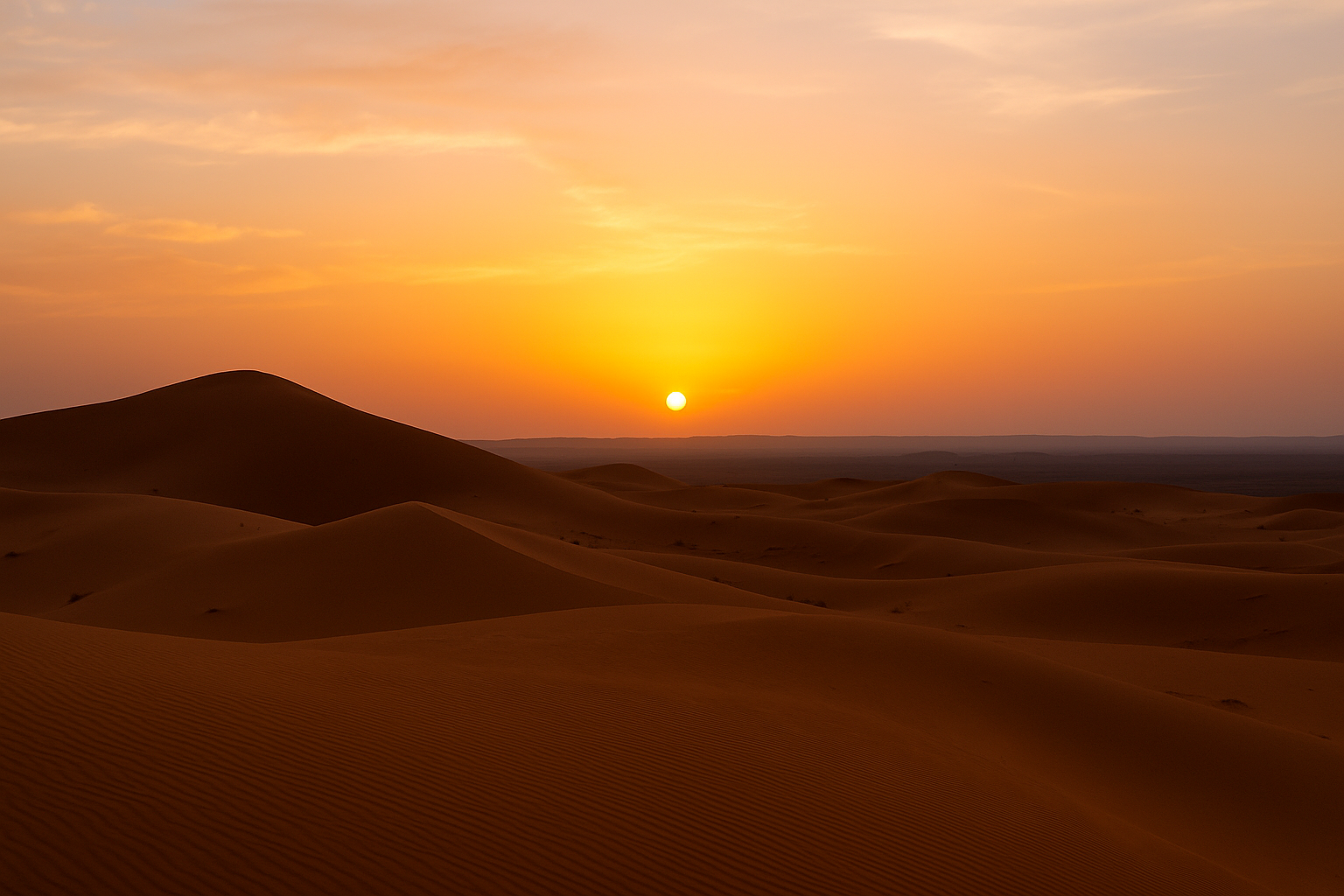
Sunset over the rolling dunes of the Sahara Desert during spring in Morocco

What Language Is Spoken in Morocco? Complete Guide for Travelers (2026)

If you are planning a trip to Morocco in 2026, one of the first questions you may ask is: What language is spoken in Morocco? The answer is fascinating because Morocco is a multilingual country rich in culture, history, and diversity. From the busy souks of Marrakech to the blue streets of Chefchaouen and the Sahara Desert, travelers hear a unique mix of languages every day. For American travelers, understanding the languages spoken in Morocco can make the journey smoother, more enjoyable, and more immersive. At Morocco Tours VIP, we help visitors experience authentic Morocco with private local guides who speak English, French, Arabic, and more. The Official Languages of Morocco Morocco has two official languages: 1. Arabic Arabic is the most widely spoken language in Morocco. However, locals usually speak a Moroccan dialect called: Darija (Moroccan Arabic) Darija is different from standard Arabic and includes influences from: Berber French Spanish African languages Travelers visiting cities like Marrakech, Casablanca, Fes, and Rabat will hear Darija everywhere. 2. Amazigh (Berber) Amazigh, often called Berber, is Morocco’s second official language. It is mainly spoken in: Atlas Mountains Sahara Desert regions Rural villages There are several Amazigh dialects in Morocco, including: Tamazight Tashelhit Tarifit Visitors exploring traditional villages and desert areas often discover the deep Amazigh heritage that shapes Moroccan culture. Is English Spoken in Morocco? Yes — especially in tourist areas. In major destinations like: Marrakech Casablanca Tangier Agadir many people working in tourism speak English. However, English is not as commonly spoken as French. This is why many travelers prefer booking private guided tours in Morocco to avoid communication issues and enjoy a stress-free experience. At Morocco Tours VIP, our local guides help visitors communicate easily while discovering Morocco’s hidden gems. Why French Is Common in Morocco French plays an important role in Morocco because of the country’s history. You will often see French used in: Restaurants Hotels Airports Road signs Shops Many Moroccans speak both Arabic and French fluently. For travelers from the United States, this multilingual environment makes Morocco feel both exotic and accessible. Useful Moroccan Words for Travelers Here are a few helpful expressions visitors may hear: Salam = Hello Shukran = Thank you La = No Naam = Yes Bslama = Goodbye Even learning a few words can create friendly interactions with locals. Why a Local Guide Makes Travel Easier Although Morocco is welcoming, language differences can sometimes make travel confusing for first-time visitors. A private local guide can help you: Communicate with locals Navigate busy medinas Discover authentic experiences Avoid tourist traps Understand Moroccan culture more deeply This is especially valuable in Marrakech, Fes, and traditional souks where local knowledge makes a huge difference. Explore Morocco with Morocco Tours VIP At Morocco Tours VIP, we offer: Private guided tours Luxury Morocco experiences Marrakech day tours Desert trips Cultural experiences Airport and cruise transfers Our English-speaking local guides help travelers experience Morocco comfortably and authentically. Whether you want to explore Marrakech in one day, visit the Sahara Desert, or discover local traditions, we create personalized experiences designed around your travel style. 👉 Visit:https://www.moroccotoursvip.com Final Thoughts So, what language is spoken in Morocco? The answer includes Arabic, Amazigh (Berber), French, and increasingly English — all reflecting Morocco’s rich cultural identity. For travelers, this linguistic diversity is part of what makes Morocco such a unique destination. And with the help of experienced local guides, exploring Morocco becomes even more meaningful, comfortable, and unforgettable.
Read More