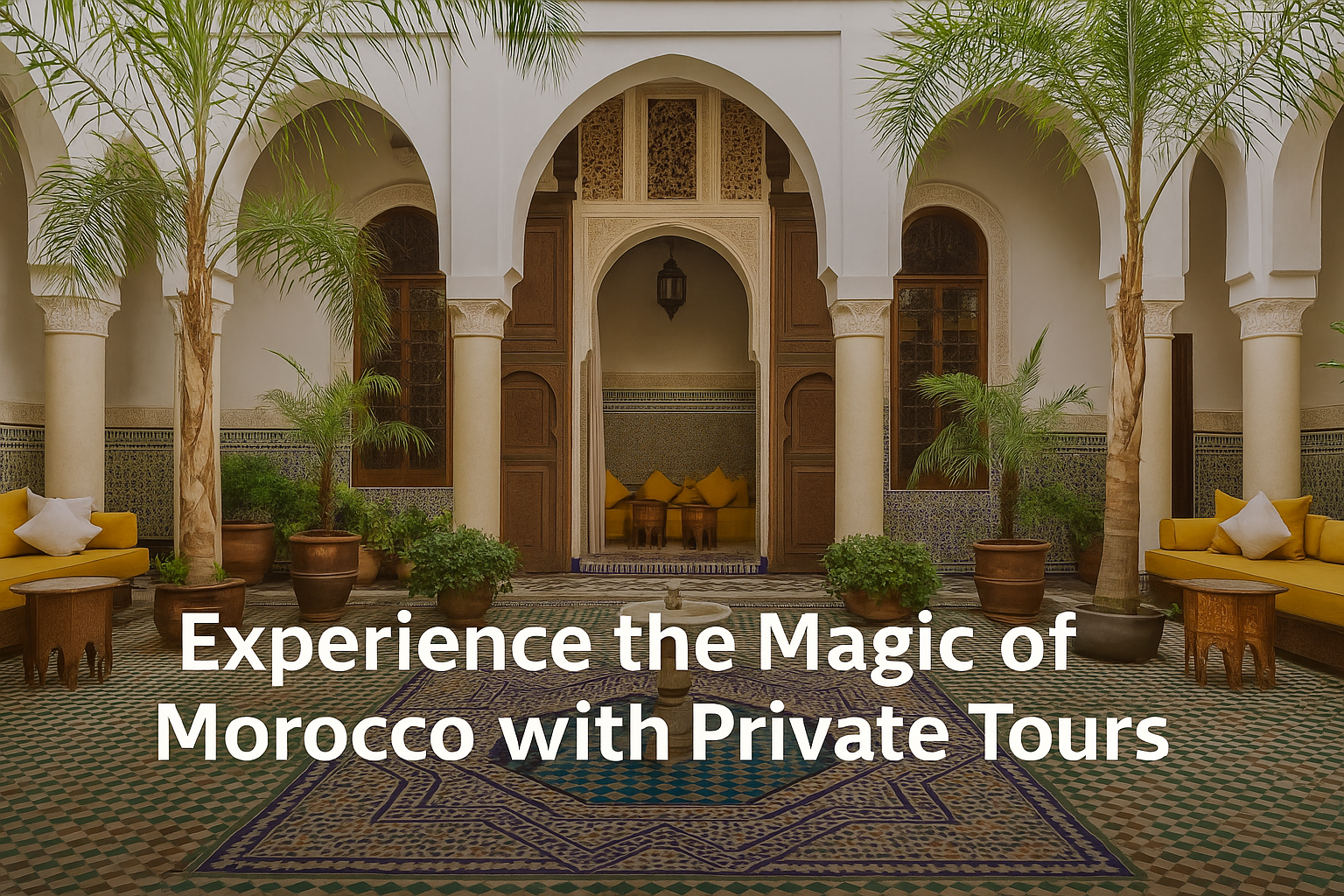
If you’re planning a trip and wondering this North African country, you’re not alone. Every year, thousands of American travelers search for information about Morocco before booking their vacation. From the famous Sahara Desert to the colorful streets of Marrakech, Morocco offers unforgettable experiences, rich culture, and warm hospitality. At Morocco Tours VIP, we help visitors discover authentic Morocco through private guided tours, local experiences, and tailor-made itineraries designed by licensed local experts. Morocco destination? Morocco is located in North Africa, just south of Spain and separated from Europe by the Strait of Gibraltar. The country borders the Atlantic Ocean and Mediterranean Sea, making it one of the most diverse destinations in the world. Many travelers are surprised by how close Morocco is to Europe while offering a completely different cultural experience. Where Is Marrakech? Another common question is: Where is Marrakech? Marrakech is located in central Morocco and is one of the country’s most visited cities. Known as the “Red City,” Marrakech attracts travelers with its historic medina, colorful souks, beautiful palaces, traditional riads, and vibrant atmosphere. For many visitors, Marrakech is the perfect starting point for exploring Morocco. Private Marrakech City Tourhttps://moroccotoursvip.com/ Meet the Morocco People One of the highlights of visiting Morocco is meeting the Morocco people. Moroccans are known for their hospitality, generosity, and strong sense of community. Visitors often enjoy conversations with artisans, shopkeepers, guides, and local families. Learning a few local words can make your experience even more enjoyable. Learn “La Shukran” One useful phrase is: La Shukran “La Shukran” means: “No, thank you.” This simple expression can be helpful when browsing markets or politely declining offers. Most locals appreciate visitors who make an effort to learn a few Arabic words. Experience the Sahara Desert No trip to Morocco is complete without visiting the Sahara Desert. The Sahara offers: Camel rides Luxury desert camps Spectacular sunsets Stargazing Traditional Berber music Endless sand dunes Many travelers describe the Sahara as the highlight of their Morocco trip. What Makes Moroccan Culture Unique? The word Moroccan describes the people, culture, food, architecture, and traditions of Morocco. Moroccan culture combines: Arab influences Amazigh (Berber) heritage African traditions Andalusian history French influences This unique blend creates one of the world’s most fascinating travel destinations. Why Visit Moroccan Marrakech? When travelers search for Moroccan Marrakech, they are usually looking for authentic cultural experiences. Some of the best experiences include: Visiting Bahia Palace Exploring Jemaa el-Fna Square Shopping in traditional souks Discovering hidden alleys of the medina Enjoying Moroccan food Visiting historic monuments What Time Is It in Morocco? Many travelers ask: What time is it in Morocco? Morocco generally follows GMT+1 for most of the year, although time changes may occur during Ramadan. Knowing the local time helps visitors plan flights, transfers, tours, and communication with hotels and guides. Why Americans Love Morocco American travelers choose Morocco because it offers: Rich history Friendly people Incredible food Desert adventures Affordable luxury Authentic cultural experiences Whether you’re interested in Marrakech, the Sahara Desert, mountain villages, or coastal cities, Morocco has something for every traveler. For official travel inspiration and general destination information, you can also visit the official Morocco tourism website. Plan Your Morocco Adventure If you’re wondering Morocco travel guide, where Marrakech is located, or whether the Sahara Desert is worth visiting, the answer is simple: Morocco is one of the most rewarding destinations in the world. At Morocco Tours VIP, we provide private guided tours, Sahara Desert experiences, Marrakech city tours, day trips, and custom travel itineraries designed for American travelers.Read More
Marrakech City, Morocco is one of the most energetic destinations in the world — a city where ancient traditions blend with art, design, food, and warm hospitality. Most travelers know the famous highlights: Jemaa el-Fna Square, Bahia Palace, Majorelle Garden, and the bustling souks. But beyond the usual attractions, Marrakech hides a world of secret corners, peaceful alleys, artisan workshops, rooftop views, and cultural treasures that many visitors never get the chance to discover. As a licensed official tour guide based in Marrakech, I have spent years uncovering these special places. In this guide, I’ll take you beyond the tourist routes and reveal authentic experiences that show the real spirit of Marrakech. Whether you’re visiting for the first time or returning again, these hidden gems will help you see the Red City in a completely new way. 1. The Quiet Lanes Behind Dar El Bacha — A Peaceful Escape in the Medina Dar El Bacha area is known for its beautiful museum and elegant architecture. But very few travelers take the time to wander behind the museum into the quieter residential lanes. Here, the sounds of the busy souks fade away and you can walk through peaceful alleys lined with traditional houses, small courtyards, and local shops. You can often see artisans working on copper pieces, carving wood, or preparing spices. It’s one of the best areas to observe daily life in Marrakech City Morocco without crowds. Why it’s special: Calm and authentic atmosphere Beautiful traditional doors and hidden riads Great for slow walking and photography 2. Azulik-Style Rooftop Cafés With Breathtaking Views Everyone visits the main rooftops near Jemaa el-Fna, but Marrakech has many secret rooftops hidden deep inside the medina. These small cafés offer stunning views of the red houses, Minaret of Koutoubia Mosque, and the distant Atlas Mountains. Some of these rooftops are run by families and are still unknown to most tourists. They serve local mint tea, fresh orange juice, and homemade pastries. If you want a peaceful moment above the busy streets, this is the perfect place. What to enjoy: Sunset views over Marrakech Traditional Moroccan snacks Authentic ambiance away from tourist crowds 3. The Dyer’s Market — Marrakech’s Colorful Artisanal Corner Located inside the old medina, the Dyer’s Market (Souk des Teinturiers) is a magical place that many travelers miss. You will see wool hanging from wooden beams, dye in bright shades of red, saffron, blue, and green, and artisans working with natural pigments. This is one of the last traditional dye workshops in Morocco — a must-visit for people who love local crafts, fashion, photography, and culture. Best time to visit: Morning, when the colors are brightest and the artisans are working actively. 4. The Secret Garden — A Green Oasis in the Heart of Marrakech Although the Secret Garden has become more popular, it is still considered a hidden gem compared to the major attractions. The garden combines Islamic art, Moroccan architecture, and a beautifully restored riad structure. It’s perfect for a quiet break from the noise of the souks. Visitors can relax among fountains, shady trees, and traditional pathways that reflect the beauty of Andalusian-Moroccan design. 5. Ben Youssef Neighborhood — Historical Corners Full of Stories Most travelers visit the famous Medersa Ben Youssef but skip the surrounding neighborhood. This area is full of tiny workshops, local bakeries, spice houses, and small family businesses that keep the traditions of Marrakech alive. Walking with a guide allows you to explore hidden spots without getting lost. You can also visit small artisan studios where craftsmen make handmade lamps, wooden carvings, leather shoes, and ceramics. Highlights of the area: Traditional public ovens (“ferran”) Local mosques and schools Small cooperative shops 6. A Berber Herbalist Experience — Beyond the Tourist Shops Many tourists are taken to crowded spice shops, but Marrakech has authentic Berber herbalists where locals buy their natural products. These shops offer real argan oil, herbal teas, saffron, natural perfumes, and black soap — all explained with patience and knowledge. A private guided visit here is an excellent cultural experience, especially if you want quality products and trustworthy advice. Tip: Ask to smell the natural amber, musk, nigella seeds, and local teas — they are unforgettable. 7. Local Neighborhoods Outside the Souks — A Glimpse of Real Daily Life If you want to see how Marrakchis live, head to neighborhoods outside the tourist routes such as Bab Doukkala, Riad Laarous, Mellah (Jewish Quarter), or Kasbah District. These areas have local markets, bakeries, olives shops, barber shops, and authentic street life. It’s a great opportunity to learn about real Moroccan culture, connect with locals, and taste fresh food or pastries. 8. A Traditional Moroccan Hammam — A Relaxing Cultural Ritual Many visitors only experience luxury spas, but Marrakech also has incredible traditional hammams in old neighborhoods. These places offer a deep cultural experience: natural black soap, exfoliating scrubs, argan oil, and relaxation rituals passed down for generations. For first-timers, going with a guide makes it easier and more comfortable — especially in choosing the right hammam and booking the proper treatment. 9. Workshops With Local Artisans — Hands-On Cultural Learning A truly special experience in Marrakech City Morocco is participating in a small craft workshop. You can learn: How to make a leather pouf How artisans create metal lamps How to carve wood How to prepare Moroccan tea or cook a tagine How to paint geometric zellige patterns These workshops are immersive, fun, and support local communities. 10. Sunset Behind the Koutoubia Mosque — The City’s Most Beautiful Light Everyone photographs the Koutoubia, but few stay for the changing colors at sunset. From specific quiet corners in the medina, you can capture incredible views with golden light touching the minaret. As a guide, I always bring guests to hidden viewpoints where they can enjoy this magical moment away from the crowds. Best Tips for Discovering Hidden Gems in Marrakech ✔ Go early in the morning The medina is calmer and filled with fresh smells of bread, mint, and incense. ✔ Explore with a licensed local guide Marrakech is full of tiny alleys — having a guide ensures safety, comfort, and cultural understanding. ✔ Respect local customs Dress modestly inside traditional neighborhoods and ask before taking pictures of people. ✔ Enjoy slow travel Hidden gems are not rushed — walk, observe, talk, taste, and discover. Why a Private Guide Helps You Discover More Marrakech is beautiful, but it’s easy to get lost or overwhelmed by the maze of streets. A licensed official guide like myself can: Customize the itinerary based on your interests Help you access authentic areas safely Avoid crowds and find peaceful routes Translate and explain cultural details Recommend real artisan shops Take you to the best rooftops and photogenic spots Offer insider tips about Marrakech and Morocco This is the best way to discover the real Marrakech City Morocco — its culture, history, and hidden beauty. Plan Your Visit to Marrakech With Morocco Tours VIP If you’re planning a holiday in Morocco, I can help you arrange: Private Marrakech city tours Shopping tours Food & cooking experiences Majorelle Garden & YSL Museum visit Jewish Heritage tour Sahara Desert trips to Merzouga & Zagora Luxury Morocco tour packages 📧 Email: contact@moroccotoursvip.com📱 WhatsApp: +212 666 326 430🌐 Website: https://moroccotoursvip.com Marrakech is full of famous attractions, but its true magic lies in the hidden corners most tourists never see. From quiet medina lanes to artisan workshops, peaceful rooftops, and local neighborhoods, these secret places reveal the authentic soul of Marrakech City Morocco. If you want to explore Marrakech in a more meaningful and comfortable way, I will be happy to guide you and show you the city I love. Your Marrakech adventure starts here — welcome to Morocco!Read More
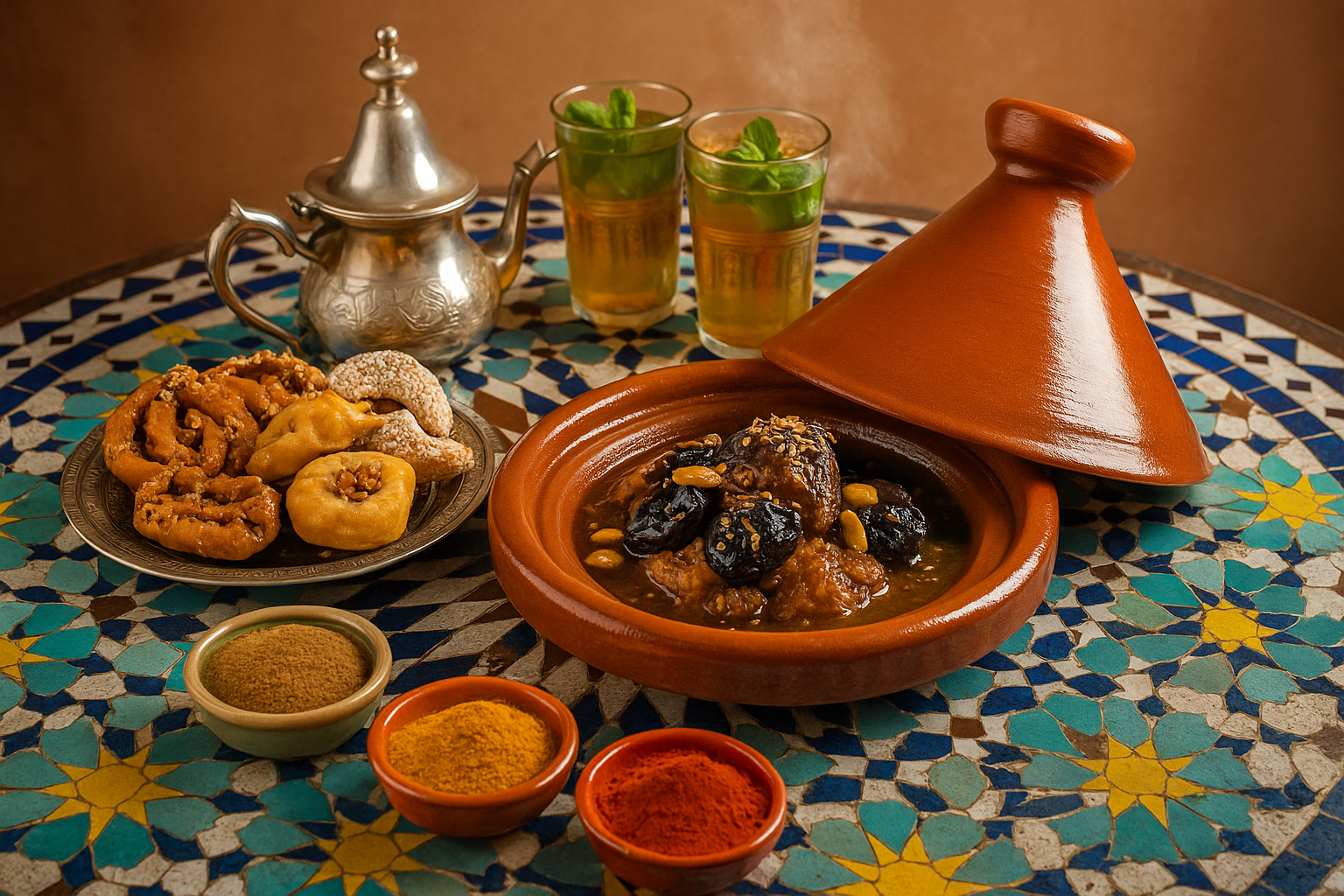
When most travelers think of Moroccan cuisine, the first dish that comes to mind is couscous. While this fluffy semolina grain is indeed a national treasure, Morocco’s culinary scene offers a far richer tapestry of flavors, aromas, and traditions that go far beyond this beloved staple. From hearty tagines to delicate pastries, Moroccan food is a journey for all the senses. https://moroccotoursvip.com/tour/marrakech-food-tour/A colorful serving of authentic Moroccan couscous, garnished with carrots, zucchini, pumpkin, and chickpeas. Tagines: The Heart of Moroccan Cooking The tagine, a clay pot with a conical lid, is not just a cooking vessel but a symbol of Moroccan hospitality. Whether it’s tender lamb with prunes, chicken with preserved lemons and olives, or vegetarian blends bursting with seasonal produce, tagines are slow-cooked to perfection, allowing spices to mingle and create unforgettable depth. Street Food Delights Marrakech, Fes, and Casablanca are filled with bustling markets where sizzling grills, aromatic spices, and fresh herbs fill the air. Don’t miss: B’stilla (Pastilla) – a savory-sweet pie with flaky pastry, pigeon or chicken, almonds, and cinnamon. Maakouda – fried potato patties served with bread and harissa. Snail Soup – a local delicacy said to have medicinal properties. Moroccan Pastries & Tea Culture Morocco’s desserts are as delightful as its savory dishes. Almond-filled gazelle horns (kaab el ghzal), honey-soaked chebakia, and sesame cookies often accompany a glass of refreshing mint tea – an essential part of Moroccan hospitality. The Spice Soul of Morocco From cumin and coriander to saffron and ras el hanout, Moroccan dishes are defined by their masterful use of spices. Each region blends its own signature mix, creating subtle variations that make every bite unique. Beyond the Plate: The Social Experience Moroccan meals are more than just food – they are a time to connect, share stories, and welcome guests. Whether in a family home, a bustling souk, or a luxury riad, dining in Morocco is a cultural immersion. Plan Your Culinary Journey From cooking classes in Marrakech to market tours in Fes, Morocco Tours VIP offers immersive food experiences that let you taste, cook, and understand Moroccan gastronomy. 📍 Book your Moroccan culinary adventure today: Marrakech Food Tour: Taste the Best food in Marrakech, Morocco.Read More
Morocco is a land of contrasts—golden deserts, lush valleys, vibrant souks, and ancient cities that tell stories of empires past. Among its many treasures are the Imperial Cities: Marrakech, Fes, Rabat, and Meknes. Each city has served as the nation’s capital at different times in history, leaving behind a rich heritage of architecture, culture, and tradition. In this guide, we’ll explore the highlights of each city and how a private Morocco imperial cities tour can turn your journey into a once-in-a-lifetime experience. Marrakech – The Red City Marrakech is a city where tradition meets modern energy. Stroll through Jemaa el-Fnaa, the famous square alive with storytellers, musicians, and street food vendors. Discover architectural gems like the Koutoubia Mosque and the Bahia Palace. A private tour allows you to explore the labyrinth of souks, hidden gardens, and historic quarters at your own pace, while learning fascinating stories from a licensed local guide. Fes – The Cultural Heart of Morocco Known for its UNESCO-listed Medina of Fes el-Bali, Fes is Morocco’s cultural and spiritual capital. The city’s narrow alleys lead you to tanneries, artisan workshops, and centuries-old madrasas like Al Attarine and Bou Inania. With a private guide, you can delve into the city’s deep traditions, visit hidden monuments, and enjoy authentic Moroccan cuisine in family-run restaurants. Rabat – The Coastal Capital Rabat offers a calmer pace, perfect for enjoying Morocco’s coastal charm. Visit the Hassan Tower, the Mausoleum of Mohammed V, and the Kasbah of the Udayas with its Andalusian gardens. The iconic Hassan Tower, a historic minaret and landmark in Rabat, Morocco. On a tailored tour, you’ll experience Rabat’s blend of modern life and history, from its bustling medina to its peaceful ocean views. Meknes – The Hidden Gem Often overshadowed by its sister cities, Meknes is a treasure trove for history lovers. Marvel at the grand Bab Mansour Gate, stroll through royal stables, and visit the Mausoleum of Moulay Ismail. With fewer crowds, Meknes offers a more intimate look at Morocco’s imperial past. A private guide ensures you uncover stories you might otherwise miss. Why Choose a Private Morocco Imperial Cities Tour? A private tour offers flexibility, comfort, and personalized experiences. You set the pace, choose your priorities, and enjoy the insights of a professional guide. From luxury transport to handpicked accommodations, everything is tailored to your preferences. Whether you’re a history enthusiast, a culture lover, or a photography fan, a private imperial cities tour ensures you experience Morocco in style. Visiting Morocco’s imperial cities is like walking through chapters of a living history book. With a private tour, you can dive deep into the heart of each destination and create memories you’ll cherish forever. 📍 Ready https://moroccotoursvip.com/contact-moroccotoursvip/to explore? Start planning your Morocco Imperial Cities Tour today with Morocco Tours VIP.🌐 moroccotoursvip.comRead More
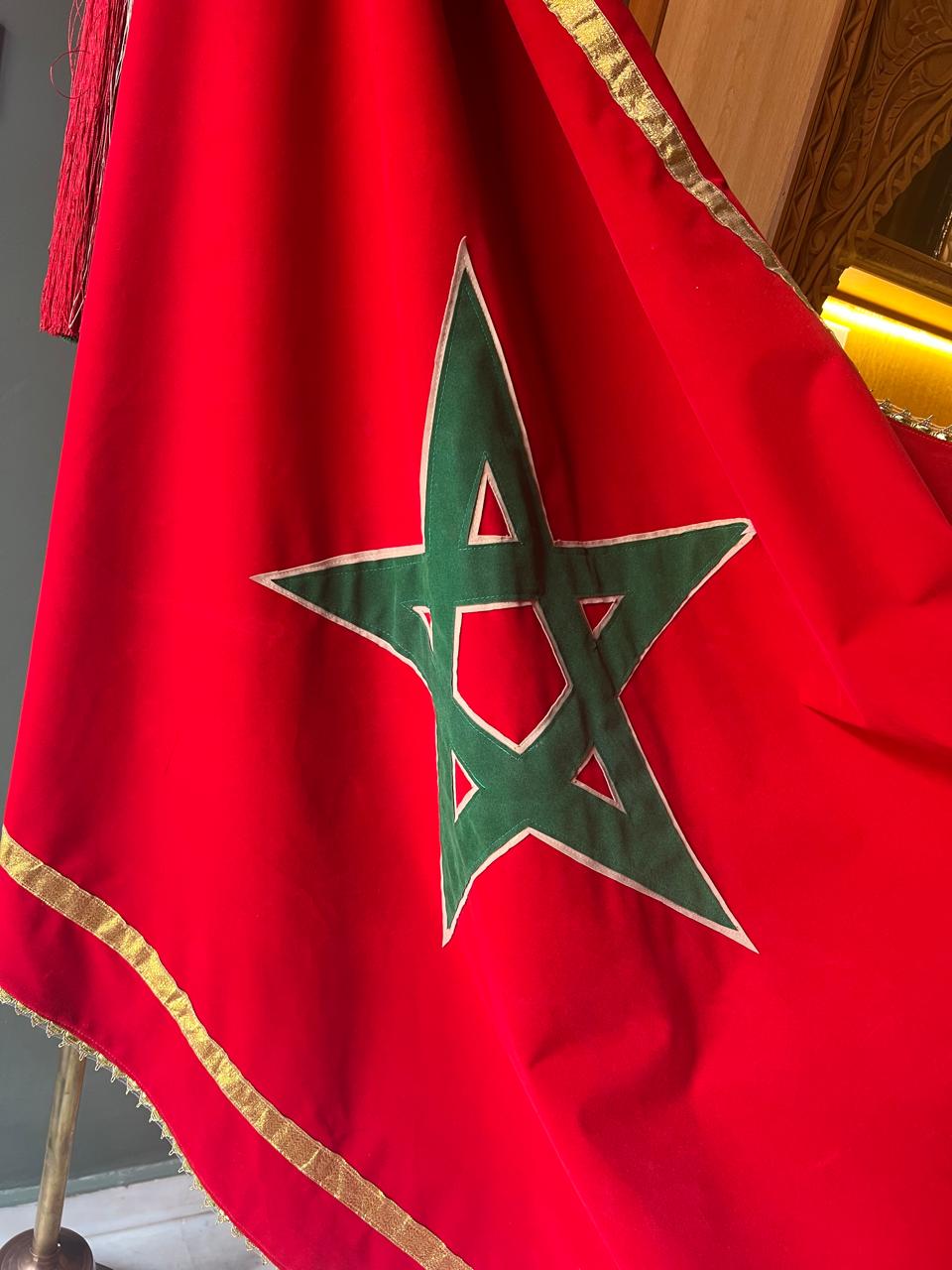
The flag of Morocco is one of the most recognized national symbols in North Africa. More than just a piece of cloth, it represents the soul of the Moroccan people — their history, religion, monarchy, and identity. In this article, we’ll dive into the origin, symbolism, and importance of the Moroccan flag, and why it matters to anyone exploring Morocco. 🟥 What Does the Flag of Morocco Look Like? The design of the flag of Morocco is bold and symbolic: Red background: A traditional color in Moroccan and Arab flags, red stands for courage, bravery, and the sacrifices made for freedom. Green five-pointed star (Seal of Solomon): This star represents peace, life, and the five pillars of Islam, reflecting the country’s spiritual heritage. This simple yet powerful combination reflects Morocco’s royal legacy and deep Islamic identity. 📜 A Brief History of the Moroccan Flag The current flag of Morocco was officially adopted on November 17, 1915, during the French Protectorate. The red flag was already linked to the Alaouite dynasty, but it was Sultan Moulay Yusef who added the green pentagram in the center. After Morocco gained independence from France in 1956, the flag remained unchanged — a symbol of continuity, unity, and national pride. 🇲🇦 Cultural Importance of the Moroccan Flag The Moroccan flag is displayed proudly during key events, including: Throne Day – Celebrating the reign of the King of Morocco Independence Day – November 18 Green March Day – A peaceful demonstration for Moroccan sovereignty in the Sahara In cities like Marrakech, Casablanca, and Fes, the flag can be seen flying high above buildings, in marketplaces, and during festivals. It also features in traditional arts, crafts, and even modern Moroccan fashion. 🌍 Why the Flag Matters to Travelers For visitors, learning about the flag of Morocco opens a door into the country’s values. Whether you’re watching a football match, touring the royal palace, or exploring a remote village, you’ll notice how the flag unites Moroccans across all regions and languages. If you’re planning a trip, experiencing the cultural meaning of this flag in real life is a powerful part of your journey. The flag of Morocco is more than a national banner — it’s a proud symbol of the country’s spirit. From its historic red background to the deeply symbolic green star, every detail tells a story. Whether you’re Moroccan or a traveler discovering this beautiful country, the flag is a reminder of unity, tradition, and national pride.Read More