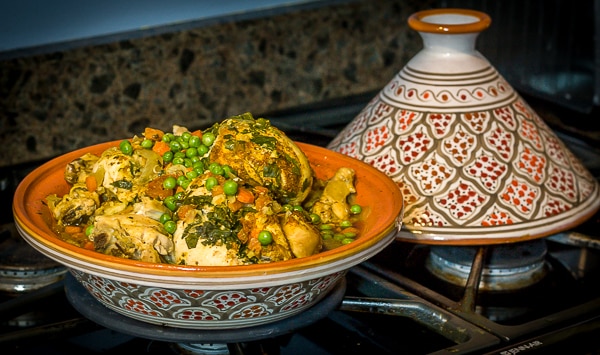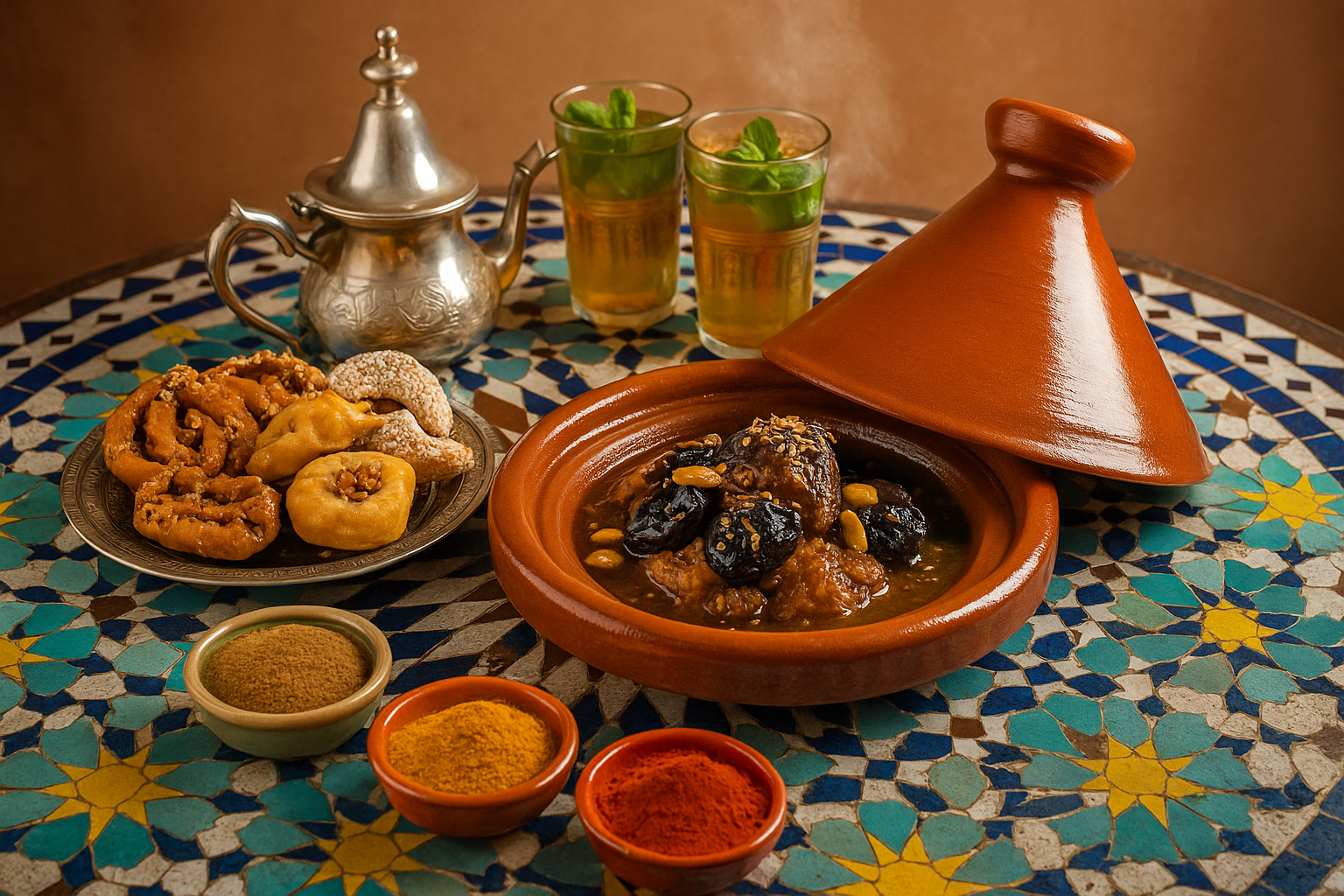
Moroccan Food in Morocco: A Complete Guide for First-Time Visitors If you’re planning a trip to Morocco, one of the highlights will undoubtedly be discovering authentic Moroccan food in Morocco. Every city has its own specialties, but nowhere offers a richer culinary experience than Marrakech, one of the country’s most exciting destinations. Whether you write it Marrakech or Marrakesh, this historic city is famous for its colorful souks, lively squares, welcoming people, and unforgettable traditional cuisine. Food is an important part of Moroccan culture, and tasting local dishes is one of the best ways to experience the country. At Morocco Tours VIP, we help visitors discover not only the famous landmarks but also authentic restaurants, hidden cafés, local markets, and traditional family-run kitchens. Why Moroccan Food Is Famous Worldwide Moroccan cuisine is considered one of the finest in the world because it combines Berber, Arab, Andalusian, African, and Mediterranean influences. Fresh herbs, aromatic spices, slow cooking, and seasonal ingredients create meals that are both flavorful and healthy. Common ingredients include: Saffron Cumin Cinnamon Ginger Turmeric Fresh vegetables Olive oil Preserved lemons Olives Dates Marrakech: The Best City to Experience Moroccan Cuisine Many travelers ask whether Marrakech is the best city for food. The answer is yes. The city offers everything from luxury rooftop restaurants to traditional neighborhood kitchens where recipes have been passed down for generations. During a walk through the Medina, you’ll discover: Traditional bakeries Fresh orange juice stalls Olive markets Spice shops Street food vendors Hidden family restaurants Local dessert shops A local guide can also explain the history behind each dish, making the experience much more meaningful. Tagine: Morocco’s Most Famous Dish No visit to Morocco is complete without trying a tagine. A tagine is both the clay cooking pot and the slow-cooked meal prepared inside it. Popular varieties include: Chicken with preserved lemons and olives Lamb with prunes and almonds Beef with vegetables Vegetable tagine Kefta meatball tagine with eggs Slow cooking allows the meat to become incredibly tender while preserving the flavors of herbs and spices. Every Moroccan family has its own recipe, making each tagine unique. Tangia: Marrakech’s Hidden Culinary Treasure While many visitors know about tagine, fewer have heard of Tangia, one of Marrakech’s most authentic dishes. Unlike tagine, Tangia is almost exclusively found in Marrakech. Traditionally, meat is placed inside a clay pot with garlic, cumin, preserved lemons, saffron, olive oil, and Moroccan spices before being slowly cooked for several hours in the hot ashes of a traditional hammam. The result is incredibly tender meat with a rich, unforgettable flavor. If you want to eat like a local, Tangia should be at the top of your list. Other Moroccan Dishes Worth Trying Besides tagine and tangia, don’t miss: Couscous (especially on Fridays) Harira soup Chicken Bastilla Mechoui (slow-roasted lamb) Moroccan grilled kebabs Fresh seafood Mint tea Moroccan pastries Every meal reflects centuries of Moroccan tradition. Is Moroccan Food Spicy? This is one of the most common questions from American travelers. The answer is no. Moroccan food is flavorful rather than spicy. It uses aromatic spices for depth instead of heat. If you enjoy mild, rich flavors, you’ll love Moroccan cuisine. For those who prefer spicy food, many restaurants offer harissa separately. Best Food Experiences in Marrakech Besides dining in restaurants, visitors can enjoy: Traditional food markets Cooking classes Evening food tours Street food tastings Spice market visits Local bakeries Fresh juice stands Hidden family restaurants These experiences provide a deeper understanding of Moroccan culture. Explore Marrakech With a Local Guide Food is only one part of the adventure. While exploring Marrakech, you’ll also discover: Koutoubia Mosque Bahia Palace Ben Youssef Madrasa The colorful souks Artisan workshops Jemaa el-Fna Square Secret Garden Traditional riads A private local guide helps you avoid tourist traps and discover places most visitors never find on their own. Why Book With Morocco Tours VIP? At Morocco Tours VIP, we specialize in private experiences designed around your interests. Whether you want to explore Moroccan food, discover historic landmarks, visit the Sahara Desert, or enjoy hidden parts of Marrakech, we create personalized itineraries for every traveler. Our services include: Private Marrakech City Tours Medina Walking Tours Moroccan Food Tours Shopping Tours Jewish Heritage Tours Atlas Mountains Day Trips Sahara Desert Tours Private Airport Transfers Tailor-made Morocco itineraries Every tour is led by a licensed local guide with years of experience. Ready to Taste Authentic Moroccan Food? If you’re visiting Morocco for the first time, let us help you experience the country’s incredible cuisine beyond the tourist restaurants. Book your private tour today and discover the real flavors of Moroccan food in Morocco with an experienced local guide. Website: https://moroccotoursvip.com Learn more about Morocco’s culinary heritage through the UNESCO Intangible Cultural Heritage website.Read More
If you are planning a trip to Morocco, one of the first things you will notice is the incredible halal food. Morocco is famous for rich flavors, traditional spices, fresh ingredients, and authentic culinary experiences. From Marrakech street food to luxury rooftop restaurants, travelers can enjoy halal meals almost everywhere in the country. Moreover, food is a major part of Moroccan culture and hospitality. At Morocco Tours VIP, we help travelers discover authentic Moroccan cuisine through private guided tours, local food experiences, and cultural activities. Is All Food Halal in Morocco? Yes, most food in Morocco is halal because Morocco is a Muslim country. Restaurants, street food vendors, cafés, and traditional riads usually serve halal meat and local dishes prepared according to Islamic traditions. Therefore, Morocco is one of the best travel destinations for Muslim travelers and visitors looking for halal food experiences. Additionally, American travelers often feel comfortable dining in Morocco because halal food is widely available in cities like Marrakech, Fes, Casablanca, and Tangier. 👉 Internal link suggestion:Link “private guided tours” to:https://www.moroccotoursvip.com/ Traditional Moroccan Dishes You Must Try Moroccan cuisine is famous worldwide for its unique flavors and slow-cooked meals. Some of the best halal food in Morocco includes: Moroccan Tagine Tagine is Morocco’s most famous dish. It is cooked slowly with meat, vegetables, spices, and olive oil inside a traditional clay pot. Couscous Couscous is often served on Fridays and includes vegetables, chickpeas, and tender meat. Harira Soup Harira is a delicious traditional soup made with tomatoes, lentils, chickpeas, and herbs. Pastilla Pastilla combines sweet and savory flavors using crispy pastry, meat, almonds, and cinnamon. Moroccan Mint Tea Mint tea is an important part of Moroccan hospitality and is served everywhere in Morocco. 👉 Internal link suggestion:Link “Moroccan cuisine” to one of your Morocco cultural tour pages. Best Places to Enjoy Halal Food in Marrakech Marrakech is one of the best cities in Morocco for food lovers. Travelers can explore: Jemaa el-Fnaa street food Traditional Moroccan restaurants Luxury rooftop dining Local bakeries Authentic Moroccan cafés Furthermore, many visitors book food tours with local guides to discover hidden restaurants and authentic local dishes. At Morocco Tours VIP, we help travelers enjoy safe, authentic, and unforgettable food experiences in Marrakech. 👉 https://moroccotoursvip.com/tour/marrakech-food-tour/ Why American Travelers Love Moroccan Food Many American travelers visiting Morocco are surprised by the quality and variety of halal food available throughout the country. Moroccan cuisine combines: Arabic flavors Berber traditions Mediterranean ingredients African spices Additionally, Morocco offers vegetarian options, grilled meats, fresh bread, seafood, and healthy traditional meals. Because of this, Morocco has become one of the top halal-friendly destinations in the world. Food Tours and Cultural Experiences in Morocco Food is deeply connected to Moroccan culture. Therefore, many travelers choose guided tours to experience authentic local life beyond tourist restaurants. With Morocco Tours VIP, visitors can enjoy: Traditional Moroccan meals Local market visits Cooking experiences Street food tours Private cultural tours Authentic local experiences Moreover, local guides help travelers understand Moroccan traditions, ingredients, and food culture. 👉 Internal link suggestion:Link “guided tours” to:https://www.moroccotoursvip.com/ Discover Morocco with Morocco Tours VIP At Morocco Tours VIP, we create authentic travel experiences for visitors looking to discover the real Morocco. Our services include: Private guided tours Local tour guides in Marrakech Food experiences Sahara Desert tours Atlas Mountains day trips Luxury Morocco tours Additionally, we help travelers explore Morocco safely, comfortably, and authentically. 👉 https://www.moroccotoursvip.com/ Final Thoughts Morocco is one of the best destinations in the world for halal food lovers. From traditional tagines and mint tea to vibrant Marrakech street food, every meal becomes part of the travel experience. Therefore, if you want to experience authentic Moroccan culture, food, and hospitality, Morocco should be at the top of your travel list in 2026. Visit Morocco Tours VIP today and discover unforgettable halal food experiences across Morocco. 👉 https://www.moroccotoursvip.com/Read More
Moroccan food is one of the main reasons travelers fall in love with Morocco. Rich in flavor, rooted in tradition, and prepared with care, Moroccan cuisine reflects the country’s diverse history and warm hospitality. From street food in the medina to home-cooked meals served in riads, food is an essential part of any Moroccan journey. If you are visiting Morocco for the first time—especially Marrakech—this Moroccan food guide will help you discover what to eat, where to eat, and how to enjoy authentic flavors safely and confidently. Why Moroccan Food Is So Popular Moroccan cuisine is influenced by Berber, Arab, Andalusian, African, and Jewish traditions. Each dish combines spices, fresh ingredients, and slow-cooking techniques to create deep, balanced flavors. What makes Moroccan food special: Flavorful but not spicy Fresh local ingredients Traditional cooking methods Sweet and savory combinations Strong family and hospitality culture Meals are meant to be shared and enjoyed slowly. Must-Try Moroccan Dishes Tagine Tagine is Morocco’s most famous dish. Cooked slowly in a clay pot, it can include chicken, lamb, beef, fish, or vegetables, flavored with spices, preserved lemons, olives, and herbs. Couscous A colorful serving of authentic Moroccan couscous, garnished with carrots, zucchini, pumpkin, and chickpeas. Traditionally served on Fridays, couscous is made with steamed semolina, vegetables, chickpeas, and meat. It is comforting, filling, and deeply rooted in Moroccan culture. Pastilla A unique sweet-and-savory dish made with thin pastry, shredded chicken, almonds, cinnamon, and powdered sugar. A true Moroccan delicacy. Harira A traditional soup made with tomatoes, lentils, chickpeas, and herbs. It is popular year-round and especially during Ramadan. Rfissa A lesser-known but delicious dish made with shredded flatbread, chicken, lentils, and spices. Often prepared for special occasions. Moroccan Street Food Experience Moroccan street food is an adventure on its own, especially in Marrakech. Popular street foods include: Msemen (Moroccan flatbread) Sfenj (Moroccan donuts) Grilled meat skewers Snails with herbs Fresh orange juice For first-time visitors, it’s best to explore street food with a local guide who knows where to eat safely and authentically. Spices Used in Moroccan Cooking Spices are the heart of Moroccan food. You will often find: Cumin Paprika Ginger Turmeric Cinnamon Saffron Ras el hanout Fresh herbs like parsley and cilantro are used daily, along with olive oil, preserved lemons, and argan oil. Where to Eat in Marrakech Marrakech is one of the best cities to experience Moroccan food. You can enjoy meals in: Traditional riads Local family restaurants Rooftop terraces Medina food markets Jemaa el-Fna night food stalls Each setting offers a different atmosphere and experience. Food Tours in Morocco: Why They’re Worth It Trying Moroccan food alone can be overwhelming, especially in busy cities. A guided food tour allows you to: Avoid tourist traps Eat where locals eat Learn about ingredients and traditions Taste a variety of dishes Explore hidden food spots in the medina Food tours are perfect for American travelers visiting Morocco for the first time. Moroccan Cooking Classes For a deeper cultural experience, Moroccan cooking classes are unforgettable. You’ll visit a local market, learn about spices, and cook traditional dishes in a friendly environment. It’s a perfect activity for couples, families, and food lovers. Private Moroccan Food Tours With a Local Guide I’m Rachid, a government-approved tour guide based in Marrakech. I organize private Moroccan food tours that are: Authentic Safe Flexible Personalized My tours focus on real Moroccan flavors, local stories, and cultural understanding—not tourist shortcuts. Plan Your Moroccan Food Experience If you want to experience the best of Moroccan food during your trip, I’d be happy to guide you. 🌐 Website: https://moroccotoursvip.com📧 Email: contact@moroccotoursvip.com📱 WhatsApp: +212 666 326 430 Come hungry—leave with unforgettable memories.Read More
Moroccan food is one of the most famous and loved cuisines in the world. Rich in spices, slow-cooked dishes, and fresh ingredients, it reflects Morocco’s history, culture, and way of life. From street food in the medina to traditional meals served in riads, Moroccan food is an essential part of any trip to Morocco. If you are visiting Marrakech or traveling across the country, tasting authentic Moroccan food is not optional — it is a must. Why Moroccan Food Is So Special Moroccan cuisine is influenced by Berber, Arab, Andalusian, Jewish, and Mediterranean cultures. Each dish tells a story and is often prepared using recipes passed down through generations. What makes Moroccan food unique: A perfect balance of spices (not spicy, but flavorful) Slow cooking methods Fresh local ingredients Sweet and savory combinations Strong family and hospitality traditions Meals are not rushed — they are moments of sharing and connection. Most Popular Moroccan Dishes You Must Try Tagine Tagine is Morocco’s most iconic dish. It is a slow-cooked stew prepared in a clay pot and can include chicken, beef, lamb, vegetables, or fish, flavored with spices like saffron, ginger, and turmeric. Couscous Traditionally served on Fridays, couscous is made with steamed semolina, vegetables, chickpeas, and meat. It is light, comforting, and deeply rooted in Moroccan culture. Pastilla A unique sweet-and-savory dish made with thin pastry, shredded chicken or pigeon, almonds, cinnamon, and powdered sugar. A true Moroccan specialty. Harira A traditional soup made with tomatoes, lentils, chickpeas, and herbs. It is especially popular during Ramadan but enjoyed year-round. Moroccan Street Food In Marrakech, street food is everywhere: Msemen (flatbread) Sfenj (Moroccan donuts) Grilled meat skewers Snails and boiled eggs Fresh orange juice Street food is safe when chosen with a local guide who knows the best spots. Moroccan Spices and Ingredients Spices are the soul of Moroccan food. Some of the most common include: Cumin Paprika Ginger Turmeric Cinnamon Ras el hanout Fresh herbs like cilantro and parsley are used daily, along with olives, preserved lemons, and argan oil. Moroccan Food in Marrakech Marrakech is one of the best cities to discover Moroccan food. You can enjoy it in: Traditional riads Local family restaurants Rooftop terraces Food markets in the medina Street food stalls in Jemaa el-Fna The famous Jemaa el-Fna square becomes a giant open-air restaurant at night. Food Tours: The Best Way to Taste Morocco Trying Moroccan food on your own can be overwhelming. With a private food tour, you: Eat where locals eat Avoid tourist traps Learn the stories behind each dish Taste a variety of foods safely Discover hidden places in the medina A guided food tour is perfect for first-time visitors. Cooking Classes and Food Experiences For travelers who want a deeper experience, Moroccan cooking classes are unforgettable. You can: Visit a local market Learn to prepare tagine or couscous Understand spices and techniques Share a meal you cooked yourself This is a great cultural activity for couples and families. Why Book a Food Tour With a Local Guide As a licensed local guide in Marrakech, I organize private Moroccan food tours that are: Authentic Safe Flexible Personalized You don’t just eat — you learn, explore, and connect with Moroccan culture. My Moroccan Food Tours in Marrakech I offer: Street food tours in the medina Traditional restaurant experiences Market visits Cooking classes Combined food + city tours All tours are private and adapted to your tastes and dietary needs. Plan Your Moroccan Food Experience I’m Rachid, a government-approved tour guide based in Marrakech. I help travelers discover the real Morocco through food, culture, and local experiences. 🌐 Website: https://moroccotoursvip.com📱 WhatsApp: +212 666 326 430📧 Email: contact@moroccotoursvip.com Come hungry — you’ll leave with unforgettable memories.Read More
🌍 7 Reasons Why Morocco Should Be Your Next Travel Destination The Magic of Morocco Morocco offers an incredible mix of culture, landscapes, and hospitality that make it one of the most unique places in the world. Whether you’re drawn to ancient cities, desert dunes, or colorful souks, Morocco has something for every traveler. 🕌 1. Rich Culture and Heritage Morocco is where Arab, Berber, and Andalusian cultures blend beautifully. From Marrakech’s bustling medina to Fes’s ancient mosques and palaces, every corner tells a story. 🏜️ 2. Diverse Landscapes Few countries can match Morocco’s natural diversity — snowy peaks in the Atlas Mountains, golden sands in the Sahara Desert, and relaxing beaches in Essaouira and Agadir. 🍵 3. Moroccan Hospitality The Moroccan concept of “Marhba bik” — “You are welcome” — is more than a greeting. It’s a way of life. Locals invite you to share mint tea, stories, and warmth. 🏛️ 4. Fascinating Architecture From the intricate zellige tilework of Bahia Palace to the grandeur of Hassan II Mosque in Casablanca, Morocco’s architecture is a feast for the eyes. 🐫 5. Adventure Awaits Ride camels in Merzouga, hike in the Atlas Mountains, or take a 4×4 tour through the Agafay Desert. Morocco is perfect for travelers who love both comfort and adventure. 🧿 6. Vibrant Markets and Souks Lose yourself in the colorful souks of Marrakech or Fes — full of spices, lamps, rugs, and artisan crafts. Every item has a story, and bartering is part of the fun. 🍽️ 7. Incredible Food Tagine, couscous, pastilla, and freshly baked bread — Moroccan cuisine is a delightful journey of flavors, blending sweet and savory like nowhere else. 🌅 A Country That Has It All From luxury riads to desert adventures and deep cultural roots, Morocco offers an unforgettable travel experience. 📍 Plan your dream Moroccan journey with Morocco Tours VIP🌐 moroccotoursvip.comRead More
🕌 A Journey Through Time Morocco is a land of contrasts where Arab, Berber, and Andalusian influences blend into a vibrant cultural tapestry. From the red walls of Marrakech to the blue alleys of Chefchaouen, every city tells a story shaped by centuries of history, art, and spirituality. 🏰 1. Marrakech — The Beating Heart of Moroccan Culture Known as the “Red City,” Marrakech offers a dynamic mix of old and new. Visit the Bahia Palace, a masterpiece of Moroccan architecture. Stroll through the souks to see artisans crafting leather, metal, and ceramics. Discover spiritual calm at the Koutoubia Mosque and Ben Youssef Madrasa.💡 Don’t miss the evening magic of Jemaa el-Fnaa Square — street food, music, and storytelling. 🧿 2. Fes — The Spiritual and Intellectual Capital Home to the world’s oldest university, Fes is the perfect place to dive into Morocco’s scholarly and spiritual traditions. Wander the Medina of Fes el-Bali, a UNESCO World Heritage Site. Visit the Al Quaraouiyine Mosque and University. Explore the colorful Chouara Tannery, where leather-making techniques date back centuries. 🏺 3. Chefchaouen — The Blue Pearl Nestled in the Rif Mountains, Chefchaouen is famous for its calming blue-washed streets. Experience local crafts like handwoven textiles and pottery. Enjoy traditional Amazigh (Berber) hospitality in the mountain cafés. 🎨 4. Moroccan Art and Architecture From zellige tilework and carved cedarwood to colorful mosaics, Morocco’s art is everywhere. Admire the geometric patterns at Medersa Ben Youssef and Al-Attarine Madrasa. Visit galleries in Marrakech’s Gueliz or Essaouira’s art scene for modern Moroccan creativity. 🧵 5. Traditional Music, Food, and Festivals Morocco’s culture is felt through sound and flavor: Hear Gnawa music in Essaouira or Marrakech. Taste tagine, couscous, and mint tea — more than food, they’re rituals of connection. Join local celebrations like the Moussem of Tan-Tan or Fes Festival of World Sacred Music. 🧭 6. Living Heritage in the Desert and Mountains In the Atlas Mountains, meet the Berber communities who keep ancient traditions alive. Visit markets, stay in traditional kasbahs, and experience authentic Moroccan life beyond the cities. 🌍 Discover Morocco’s Soul A cultural journey through Morocco is more than sightseeing — it’s an immersion in centuries of art, faith, and craftsmanship. With Morocco Tours VIP, you can experience it all through carefully curated cultural itineraries that connect you to the real Morocco. 📍 Plan your Cultural Tour in Morocco with Morocco Tours VIP🌐 moroccotoursvip.comRead More
If there is one dish that represents the heart and soul of Moroccan cuisine, it is undoubtedly the tagine. This slow-cooked, aromatic dish is not just a meal; it is a culinary experience that brings families and friends together. Whether you are wandering the bustling souks of Marrakech or visiting a traditional Berber home in the Atlas Mountains, you will find this dish at the center of Moroccan hospitality. But what makes tagine so special? Let’s explore its history, varieties, and how you can enjoy this iconic dish on your visit to Morocco. What is a Tagine? The term tagine refers to both the dish and the pot in which it is cooked. The tagine pot is a traditional clay or ceramic cooking vessel with a conical lid that helps circulate steam, keeping the food moist and flavorful. This method of slow cooking allows the ingredients to blend harmoniously, resulting in rich, deep flavors. A tagine is more than just a meal—it embodies Morocco’s long-standing traditions of sharing food, hospitality, and cultural heritage. Each region in Morocco has its own variation of tagine, incorporating local ingredients and unique spice blends. Popular Varieties of Tagine One of the beauties of tagine is its versatility. Here are some of the most famous types of tagine that you must try when visiting Morocco: Chicken Tagine with Preserved Lemon and Olives – A flavorful combination of tender chicken, zesty preserved lemons, green olives, and fragrant spices like saffron and cumin. Beef or Lamb Tagine with Prunes and Almonds – A sweet and savory dish featuring slow-cooked meat, caramelized prunes, roasted almonds, and a touch of cinnamon. Vegetable Tagine – A perfect choice for vegetarians, loaded with seasonal vegetables, chickpeas, and a delicious blend of Moroccan spices. Fish Tagine with Chermoula – A coastal favorite, made with fresh fish marinated in a blend of garlic, cumin, coriander, paprika, and preserved lemon. The Secret to a Perfect Tagine The secret behind an authentic tagine lies in the slow-cooking process and the use of high-quality ingredients. Here are some key elements that make a tagine exceptional: Spices: Essential Moroccan spices include cumin, saffron, cinnamon, turmeric, paprika, and ras el hanout, a special spice blend used in many Moroccan dishes. Cooking Method: Cooking on low heat for an extended period allows the flavors to develop fully and the meat to become tender. Olive Oil & Argan Oil: These oils add depth of flavor and richness to the dish. Sweet and Savory Balance: Many Moroccan tagines feature a blend of sweet and savory ingredients, such as meat paired with dried fruits and honey. Where to Try the Best Tagine in Marrakech If you want to experience the best tagine in Marrakech, you are in for a treat! Some of the top places to try authentic tagine include: la mamounia – A modern take on Moroccan cuisine with delicious tagine options. Café des Épices – Located in the heart of the medina, offering a cozy atmosphere and great local dishes. La Maison Arabe – A legendary spot famous for its traditional tagines and cooking classes. Street Food Stalls in Jemaa el-Fnaa – For an authentic experience, try a street-side tagine in Marrakech’s famous square,.As there a pick up transfer for you. For those looking to not only taste but also learn how to cook a tagine, many riads and restaurants in Marrakech offer traditional Moroccan cooking classes. Cooking Tagine at Home: Easy Recipe Want to bring a taste of Morocco to your own kitchen? Here’s a simple recipe for Chicken Tagine with Preserved Lemon and Olives: Ingredients: 1 whole chicken (cut into pieces) 2 preserved lemons (quartered) 1 cup green olives 2 onions (finely chopped) 4 cloves garlic (minced) 2 teaspoons ground cumin 1 teaspoon ground ginger 1 teaspoon turmeric 1/2 teaspoon saffron threads 2 tablespoons olive oil 1/2 cup fresh cilantro and parsley (chopped) Salt and pepper to taste 1 cup water or chicken broth Instructions: In a tagine pot or a heavy-bottomed pan, heat olive oil over medium heat and sauté the onions and garlic until soft. Add the chicken pieces and season with cumin, ginger, turmeric, saffron, salt, and pepper. Pour in water or chicken broth and bring to a gentle simmer. Cover and cook on low heat for about 1.5 to 2 hours, stirring occasionally. Add the preserved lemons and olives in the last 20 minutes of cooking. Garnish with fresh cilantro and parsley before serving. Serve hot with Moroccan khobz (bread) or couscous. To conclude A tagine is more than just a dish; it is a symbol of Moroccan hospitality, tradition, and culinary mastery. Whether you enjoy it in a bustling souk, a luxurious riad, or your own kitchen, the flavors of a tagine will transport you straight to Morocco. For those planning a visit to Morocco, why not experience an authentic tagine as part of a food tour with Morocco Tours VIP? Book a private guided tour with us and discover the rich flavors of Moroccan cuisine firsthand! 👉 Book your Moroccan food tour now! Visit MoroccoToursVIP.comRead More