Tag

Moroccan traditions

Moroccan courtyard with colorful zellige tiles and artisans crafting traditional lamps and pottery.

Cultural Highlights of Morocco: Exploring History, Art, and Traditions

🕌 A Journey Through Time Morocco is a land of contrasts where Arab, Berber, and Andalusian influences blend into a vibrant cultural tapestry. From the red walls of Marrakech to the blue alleys of Chefchaouen, every city tells a story shaped by centuries of history, art, and spirituality. 🏰 1. Marrakech — The Beating Heart of Moroccan Culture Known as the “Red City,” Marrakech offers a dynamic mix of old and new. Visit the Bahia Palace, a masterpiece of Moroccan architecture. Stroll through the souks to see artisans crafting leather, metal, and ceramics. Discover spiritual calm at the Koutoubia Mosque and Ben Youssef Madrasa.💡 Don’t miss the evening magic of Jemaa el-Fnaa Square — street food, music, and storytelling. 🧿 2. Fes — The Spiritual and Intellectual Capital Home to the world’s oldest university, Fes is the perfect place to dive into Morocco’s scholarly and spiritual traditions. Wander the Medina of Fes el-Bali, a UNESCO World Heritage Site. Visit the Al Quaraouiyine Mosque and University. Explore the colorful Chouara Tannery, where leather-making techniques date back centuries. 🏺 3. Chefchaouen — The Blue Pearl Nestled in the Rif Mountains, Chefchaouen is famous for its calming blue-washed streets. Experience local crafts like handwoven textiles and pottery. Enjoy traditional Amazigh (Berber) hospitality in the mountain cafés. 🎨 4. Moroccan Art and Architecture From zellige tilework and carved cedarwood to colorful mosaics, Morocco’s art is everywhere. Admire the geometric patterns at Medersa Ben Youssef and Al-Attarine Madrasa. Visit galleries in Marrakech’s Gueliz or Essaouira’s art scene for modern Moroccan creativity. 🧵 5. Traditional Music, Food, and Festivals Morocco’s culture is felt through sound and flavor: Hear Gnawa music in Essaouira or Marrakech. Taste tagine, couscous, and mint tea — more than food, they’re rituals of connection. Join local celebrations like the Moussem of Tan-Tan or Fes Festival of World Sacred Music. 🧭 6. Living Heritage in the Desert and Mountains In the Atlas Mountains, meet the Berber communities who keep ancient traditions alive. Visit markets, stay in traditional kasbahs, and experience authentic Moroccan life beyond the cities. 🌍 Discover Morocco’s Soul A cultural journey through Morocco is more than sightseeing — it’s an immersion in centuries of art, faith, and craftsmanship. With Morocco Tours VIP, you can experience it all through carefully curated cultural itineraries that connect you to the real Morocco. 📍 Plan your Cultural Tour in Morocco with Morocco Tours VIP🌐 moroccotoursvip.com
Read More
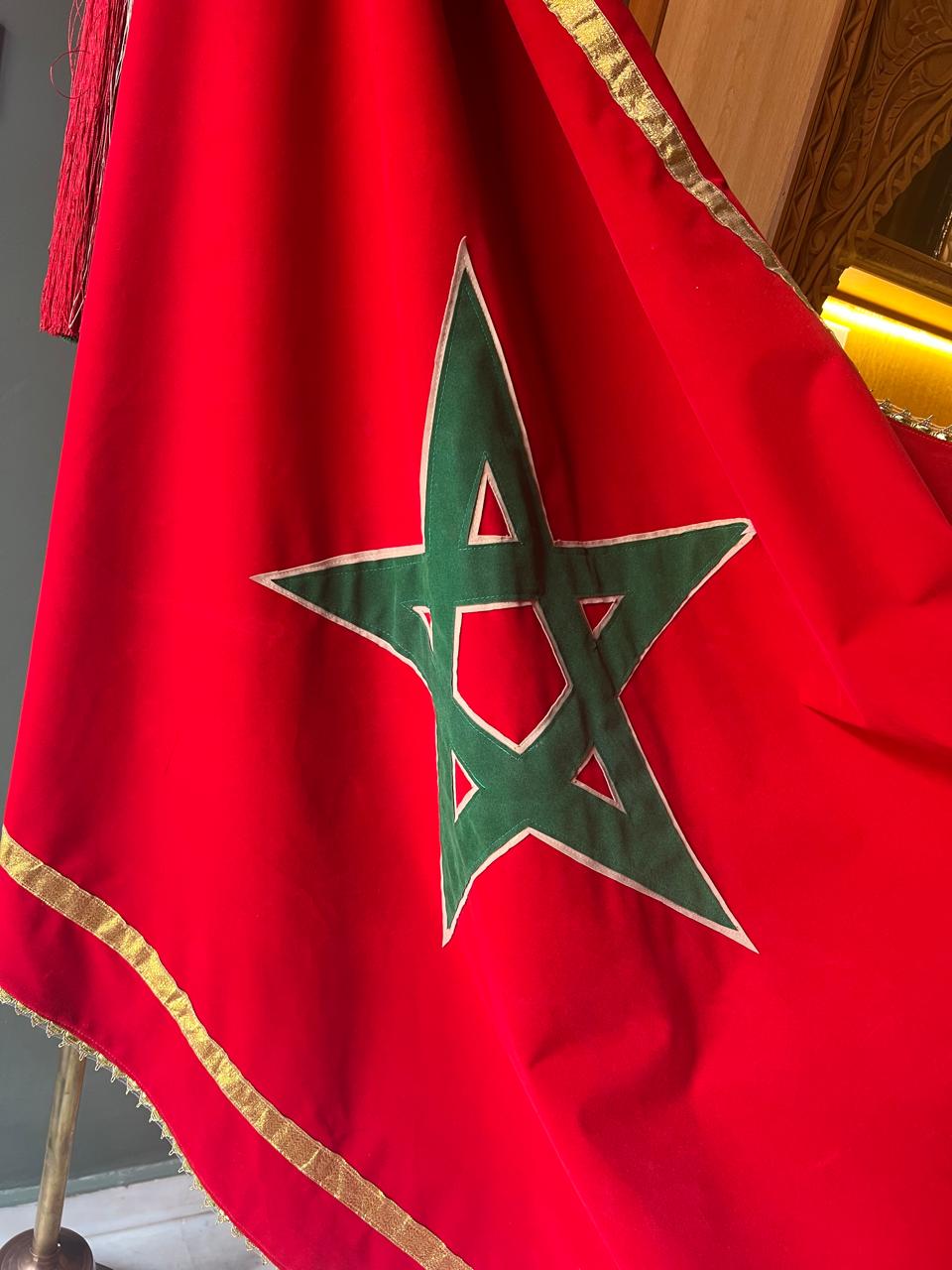
Close-up of the Moroccan flag featuring a green five-pointed star on a red background with gold-trimmed edges.

Flag of Morocco

The flag of Morocco is one of the most recognized national symbols in North Africa. More than just a piece of cloth, it represents the soul of the Moroccan people — their history, religion, monarchy, and identity. In this article, we’ll dive into the origin, symbolism, and importance of the Moroccan flag, and why it matters to anyone exploring Morocco. 🟥 What Does the Flag of Morocco Look Like? The design of the flag of Morocco is bold and symbolic: Red background: A traditional color in Moroccan and Arab flags, red stands for courage, bravery, and the sacrifices made for freedom. Green five-pointed star (Seal of Solomon): This star represents peace, life, and the five pillars of Islam, reflecting the country’s spiritual heritage. This simple yet powerful combination reflects Morocco’s royal legacy and deep Islamic identity. 📜 A Brief History of the Moroccan Flag The current flag of Morocco was officially adopted on November 17, 1915, during the French Protectorate. The red flag was already linked to the Alaouite dynasty, but it was Sultan Moulay Yusef who added the green pentagram in the center. After Morocco gained independence from France in 1956, the flag remained unchanged — a symbol of continuity, unity, and national pride. 🇲🇦 Cultural Importance of the Moroccan Flag The Moroccan flag is displayed proudly during key events, including: Throne Day – Celebrating the reign of the King of Morocco Independence Day – November 18 Green March Day – A peaceful demonstration for Moroccan sovereignty in the Sahara In cities like Marrakech, Casablanca, and Fes, the flag can be seen flying high above buildings, in marketplaces, and during festivals. It also features in traditional arts, crafts, and even modern Moroccan fashion. 🌍 Why the Flag Matters to Travelers For visitors, learning about the flag of Morocco opens a door into the country’s values. Whether you’re watching a football match, touring the royal palace, or exploring a remote village, you’ll notice how the flag unites Moroccans across all regions and languages. If you’re planning a trip, experiencing the cultural meaning of this flag in real life is a powerful part of your journey. The flag of Morocco is more than a national banner — it’s a proud symbol of the country’s spirit. From its historic red background to the deeply symbolic green star, every detail tells a story. Whether you’re Moroccan or a traveler discovering this beautiful country, the flag is a reminder of unity, tradition, and national pride.
Read More