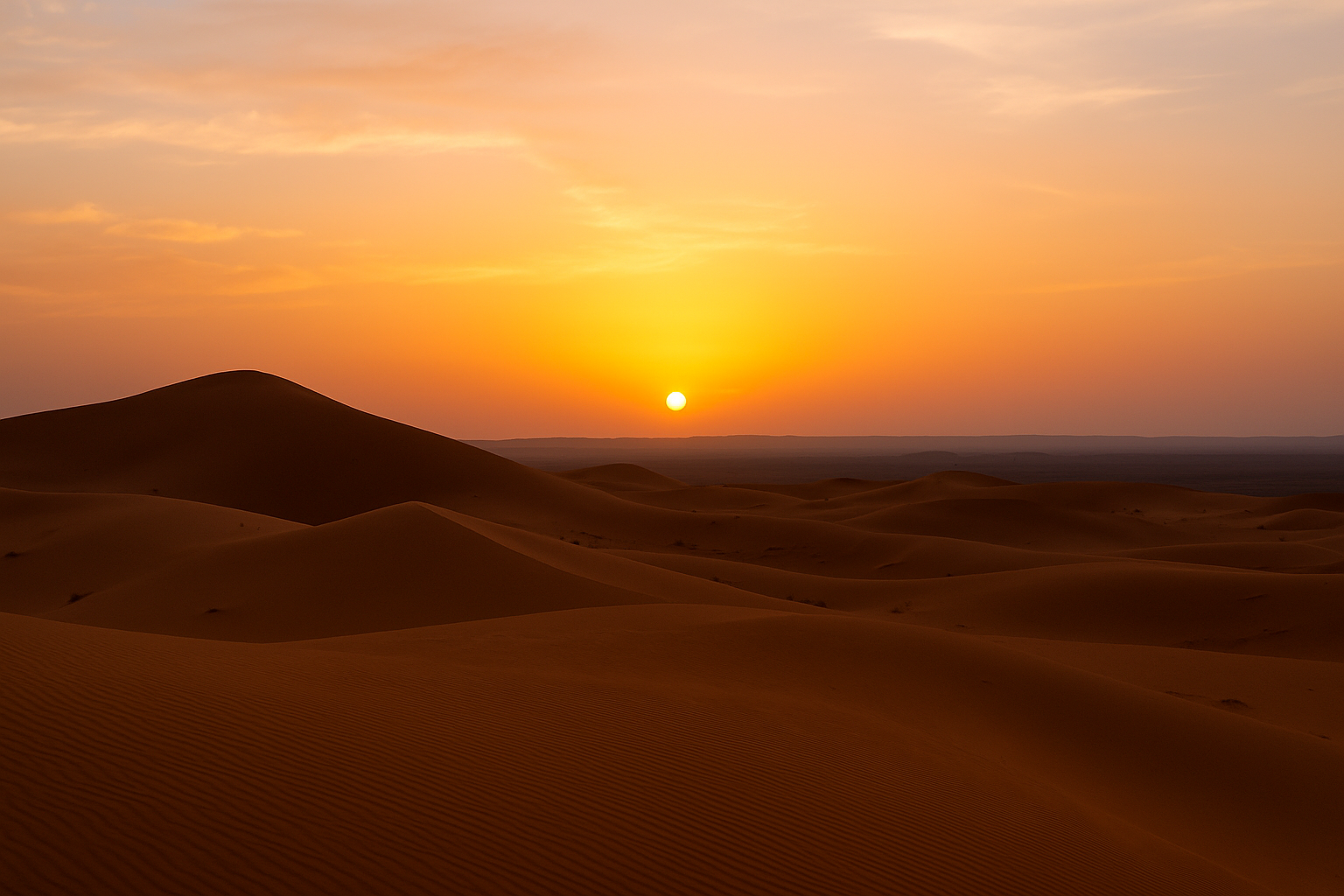
If you are planning a trip to Morocco in 2026, one of the first questions you may ask is: What language is spoken in Morocco? The answer is fascinating because Morocco is a multilingual country rich in culture, history, and diversity. From the busy souks of Marrakech to the blue streets of Chefchaouen and the Sahara Desert, travelers hear a unique mix of languages every day. For American travelers, understanding the languages spoken in Morocco can make the journey smoother, more enjoyable, and more immersive. At Morocco Tours VIP, we help visitors experience authentic Morocco with private local guides who speak English, French, Arabic, and more. The Official Languages of Morocco Morocco has two official languages: 1. Arabic Arabic is the most widely spoken language in Morocco. However, locals usually speak a Moroccan dialect called: Darija (Moroccan Arabic) Darija is different from standard Arabic and includes influences from: Berber French Spanish African languages Travelers visiting cities like Marrakech, Casablanca, Fes, and Rabat will hear Darija everywhere. 2. Amazigh (Berber) Amazigh, often called Berber, is Morocco’s second official language. It is mainly spoken in: Atlas Mountains Sahara Desert regions Rural villages There are several Amazigh dialects in Morocco, including: Tamazight Tashelhit Tarifit Visitors exploring traditional villages and desert areas often discover the deep Amazigh heritage that shapes Moroccan culture. Is English Spoken in Morocco? Yes — especially in tourist areas. In major destinations like: Marrakech Casablanca Tangier Agadir many people working in tourism speak English. However, English is not as commonly spoken as French. This is why many travelers prefer booking private guided tours in Morocco to avoid communication issues and enjoy a stress-free experience. At Morocco Tours VIP, our local guides help visitors communicate easily while discovering Morocco’s hidden gems. Why French Is Common in Morocco French plays an important role in Morocco because of the country’s history. You will often see French used in: Restaurants Hotels Airports Road signs Shops Many Moroccans speak both Arabic and French fluently. For travelers from the United States, this multilingual environment makes Morocco feel both exotic and accessible. Useful Moroccan Words for Travelers Here are a few helpful expressions visitors may hear: Salam = Hello Shukran = Thank you La = No Naam = Yes Bslama = Goodbye Even learning a few words can create friendly interactions with locals. Why a Local Guide Makes Travel Easier Although Morocco is welcoming, language differences can sometimes make travel confusing for first-time visitors. A private local guide can help you: Communicate with locals Navigate busy medinas Discover authentic experiences Avoid tourist traps Understand Moroccan culture more deeply This is especially valuable in Marrakech, Fes, and traditional souks where local knowledge makes a huge difference. Explore Morocco with Morocco Tours VIP At Morocco Tours VIP, we offer: Private guided tours Luxury Morocco experiences Marrakech day tours Desert trips Cultural experiences Airport and cruise transfers Our English-speaking local guides help travelers experience Morocco comfortably and authentically. Whether you want to explore Marrakech in one day, visit the Sahara Desert, or discover local traditions, we create personalized experiences designed around your travel style. 👉 Visit:https://www.moroccotoursvip.com Final Thoughts So, what language is spoken in Morocco? The answer includes Arabic, Amazigh (Berber), French, and increasingly English — all reflecting Morocco’s rich cultural identity. For travelers, this linguistic diversity is part of what makes Morocco such a unique destination. And with the help of experienced local guides, exploring Morocco becomes even more meaningful, comfortable, and unforgettable.Read More
Argan oil, often called “liquid gold,” is one of Morocco’s most famous natural products. Known worldwide for its beauty and health benefits, this precious oil comes from the argan tree, which grows only in southwestern Morocco. However, argan oil is more than just a cosmetic product. It is deeply rooted in Moroccan culture and offers travelers a unique opportunity to discover authentic traditions. What Is Argan Oil? Argan oil is extracted from the kernels of the argan tree. For centuries, Moroccan women have produced this oil using traditional techniques passed down through generations. Today, Moroccan oil is widely used for: Skincare and anti-aging Hair nourishment and shine Culinary dishes Natural remedies Because of its rich composition in vitamins and antioxidants, argan oil has become popular all over the world. Why Argan Oil Is So Valuable Argan oil is special for several reasons. First, the argan tree grows only in Morocco, making the oil rare and unique. In addition, the production process is done by hand, mainly by women working in local cooperatives. As a result, argan oil supports local communities and preserves traditional knowledge. Moreover, the oil offers multiple benefits. It hydrates the skin, strengthens hair, and provides essential nutrients for overall health. Visiting Argan Oil Cooperatives in Morocco One of the best ways to experience argan oil is by visiting a local cooperative. For example, many travelers include this activity during trips between Marrakech and Essaouira or in the Atlas Mountains. During your visit, you can: Watch how argan oil is traditionally produced Learn about the extraction process Meet local women artisans Taste authentic culinary argan oil Buy genuine, high-quality products As a result, this experience becomes both educational and memorable. Where to Find Argan Oil in Morocco Argan oil cooperatives are mainly located in: The region between Marrakech and Essaouira The Atlas Mountains In addition, these areas offer stunning landscapes and authentic cultural experiences. Traditional argan oil preparation at a women’s cooperative in Morocco. More Than a Product: A Cultural Experience Many people search for Moroccan oil online. However, visiting Morocco allows you to go beyond simply buying the product. Instead, you can: Explore local villages Discover traditional craftsmanship Experience Moroccan hospitality Connect with the culture Therefore, visiting an argan oil cooperative is one of the most rewarding experiences in Morocco. Discover Argan Oil With Local Experts At Morocco Tours VIP, we offer private tours that include visits to authentic argan oil cooperatives. Our services include: Private day trips from Marrakech Essaouira and Atlas Mountains tours Cultural and artisan experiences Customized Morocco itineraries This means you can explore Morocco comfortably while discovering its true traditions. 🌐 https://moroccotoursvip.com📧 contact@moroccotoursvip.com📱 WhatsApp: +212 666 326 430 👉 Contact us today to include an argan oil experience in your Morocco trip. Conclusion Argan oil is more than a beauty product. In fact, it represents Morocco’s culture, heritage, and craftsmanship. Whether you are interested in its benefits or its origins, visiting Morocco gives you the chance to experience argan oil in a truly authentic way.Read More
Visiting Morocco for the first time is an exciting adventure. From colorful souks and historic medinas to desert landscapes and warm hospitality, Morocco offers a unique mix of culture, history, and unforgettable experiences. However, if it’s your first visit, Morocco can feel very different from Europe or the USA. Knowing a few essential travel tips before you arrive will help you feel confident, comfortable, and ready to enjoy every moment. This guide covers everything first-time visitors need to know before traveling to Morocco — especially Marrakech. 1. Is Morocco Safe for First-Time Travelers? Yes — Morocco is safe for tourists, including first-time visitors. Millions of travelers visit each year without issues, especially in popular destinations like Marrakech, Fes, Casablanca, Chefchaouen, and the Sahara. That said, Morocco is a lively country, and like anywhere else, awareness is important: Watch your belongings in crowded areas Avoid unofficial guides Use licensed guides and official transport Traveling with a local guide makes your first visit smoother and stress-free. 2. What to Expect When You Arrive in Morocco Morocco is vibrant and full of energy. Expect: Busy streets and narrow alleys in old cities Friendly locals who may start conversations Calls to prayer throughout the day Scooters in the medina A mix of traditional and modern life This is all part of the Moroccan experience — exciting, not dangerous. 3. What Should First-Time Visitors Wear in Morocco? Morocco is a Muslim country with conservative traditions, especially in older neighborhoods. Recommended clothing: ✔ Light, breathable clothes✔ Shoulders and knees covered in medinas✔ Comfortable walking shoes✔ A scarf for women (useful in mosques or rural areas) Dressing respectfully helps you blend in and avoid unwanted attention. 4. Understanding the Medina (Old City) The medina is the heart of Moroccan cities — and also where first-time visitors can feel lost. Tips for the medina: It’s normal to get lost — don’t panic Google Maps works, but not perfectly Ignore people who insist on “helping” Say politely: “La, shukran” (No, thank you) 📌 Best advice: explore the medina with a licensed guide on your first days. 5. Money, Tipping & Bargaining Currency Moroccan Dirham (MAD) Credit cards accepted in hotels & restaurants Cash needed in souks & taxis Bargaining Expected in markets Start at about half the asking price Smile and enjoy it — it’s cultural, not rude Tipping Small tips are appreciated Guides, drivers, porters & waiters usually receive tips 6. Food & Water Tips for First-Time Visitors Moroccan food is delicious and generally safe. To stay healthy: ✔ Drink bottled water✔ Avoid ice in small cafés✔ Eat freshly cooked food✔ Peel fruits yourself Tagines, couscous, grilled meats, and mint tea are safe and highly recommended. 7. Transportation Tips in Morocco Use official taxis or private transfers Agree on taxi prices before entering (if no meter) Trains are safe and comfortable Private drivers offer the best comfort for first-timers Avoid accepting random ride offers in the street. 8. Is Morocco Good for Families & Seniors? Yes — Morocco is excellent for: Families with children Couples Seniors Private tours allow flexible pacing, comfortable vehicles, and customized itineraries. 9. Why First-Time Visitors Should Use a Licensed Guide For first-time travelers, a licensed guide is one of the best investments. A guide helps you: Feel safe and confident Avoid scams Understand history and culture Discover authentic places Shop without pressure Save time and energy Instead of worrying, you enjoy Morocco fully. 10. Best Cities for First-Time Travelers If it’s your first visit, start with: Marrakech – culture, history, food Casablanca – modern city & Hassan II Mosque Essaouira – relaxed coastal vibe Sahara Desert (Merzouga) – once-in-a-lifetime experience These destinations are tourist-friendly and well-organized. Final Tips for First-Time Visitors to Morocco ✔ Be patient and flexible✔ Respect local customs✔ Ask before taking photos of people✔ Avoid political discussions✔ Keep copies of your passport✔ Trust your instincts Morocco rewards travelers who come with an open mind. Explore Morocco Confidently With a Licensed Local Guide I’m Rachid, a government-approved licensed tour guide based in Marrakech. I specialize in helping first-time visitors discover Morocco safely, comfortably, and authentically. I offer: Private Marrakech city tours Souk & shopping tours Jewish Heritage tours Atlas Mountains & Agafay Desert trips Sahara Desert tour packages Custom Morocco itineraries 📱 WhatsApp: +212 666 326 430🌐 Website: https://moroccotoursvip.com📧 Email: contact@moroccotoursvip.comRead More
🌍 7 Reasons Why Morocco Should Be Your Next Travel Destination The Magic of Morocco Morocco offers an incredible mix of culture, landscapes, and hospitality that make it one of the most unique places in the world. Whether you’re drawn to ancient cities, desert dunes, or colorful souks, Morocco has something for every traveler. 🕌 1. Rich Culture and Heritage Morocco is where Arab, Berber, and Andalusian cultures blend beautifully. From Marrakech’s bustling medina to Fes’s ancient mosques and palaces, every corner tells a story. 🏜️ 2. Diverse Landscapes Few countries can match Morocco’s natural diversity — snowy peaks in the Atlas Mountains, golden sands in the Sahara Desert, and relaxing beaches in Essaouira and Agadir. 🍵 3. Moroccan Hospitality The Moroccan concept of “Marhba bik” — “You are welcome” — is more than a greeting. It’s a way of life. Locals invite you to share mint tea, stories, and warmth. 🏛️ 4. Fascinating Architecture From the intricate zellige tilework of Bahia Palace to the grandeur of Hassan II Mosque in Casablanca, Morocco’s architecture is a feast for the eyes. 🐫 5. Adventure Awaits Ride camels in Merzouga, hike in the Atlas Mountains, or take a 4×4 tour through the Agafay Desert. Morocco is perfect for travelers who love both comfort and adventure. 🧿 6. Vibrant Markets and Souks Lose yourself in the colorful souks of Marrakech or Fes — full of spices, lamps, rugs, and artisan crafts. Every item has a story, and bartering is part of the fun. 🍽️ 7. Incredible Food Tagine, couscous, pastilla, and freshly baked bread — Moroccan cuisine is a delightful journey of flavors, blending sweet and savory like nowhere else. 🌅 A Country That Has It All From luxury riads to desert adventures and deep cultural roots, Morocco offers an unforgettable travel experience. 📍 Plan your dream Moroccan journey with Morocco Tours VIP🌐 moroccotoursvip.comRead More